The Best Cooking Oils: A Comparison Guide
Most people do not need a miracle oil. They need the right oil for the job. That is the entire trick, and the label on the bottle is usually trying very hard to hide it. If you are choosing between olive oil, canola oil, avocado oil, sunflower oil, peanut oil, sesame oil, or coconut oil, the real question is not “Which one is pure?” It is: what are you cooking, how hot is the pan, and do you want flavor or neutrality?
I keep seeing the same kitchen mistake: people buy one bottle and expect it to behave like a universal solution. It does not. Some oils are better for dressings, some are better for sautéing, some are better for frying, and some are mostly there because a recipe wanted a specific flavor and everyone nodded along. If you want a plain-English starting point, the American Heart Association’s guide to healthy cooking oils and Harvard Nutrition Source’s advice on using liquid vegetable oils in everyday cooking are a sensible baseline, not a miracle sermon.
This guide compares the main cooking oils by flavor, heat behavior, nutrition, and best use. I am not going to pretend every bottle is identical, because that would be lazy nonsense. I am also not going to turn smoke point into a cult. If you want the technical term, smoke point matters, but it is only one part of the decision. The practical part is still more important.
If you want the rest of the site after this, start at the Home page, browse the Blog archive for related kitchen guides, or use the Contact page if you want to ask a question that does not fit neatly into a bottle.
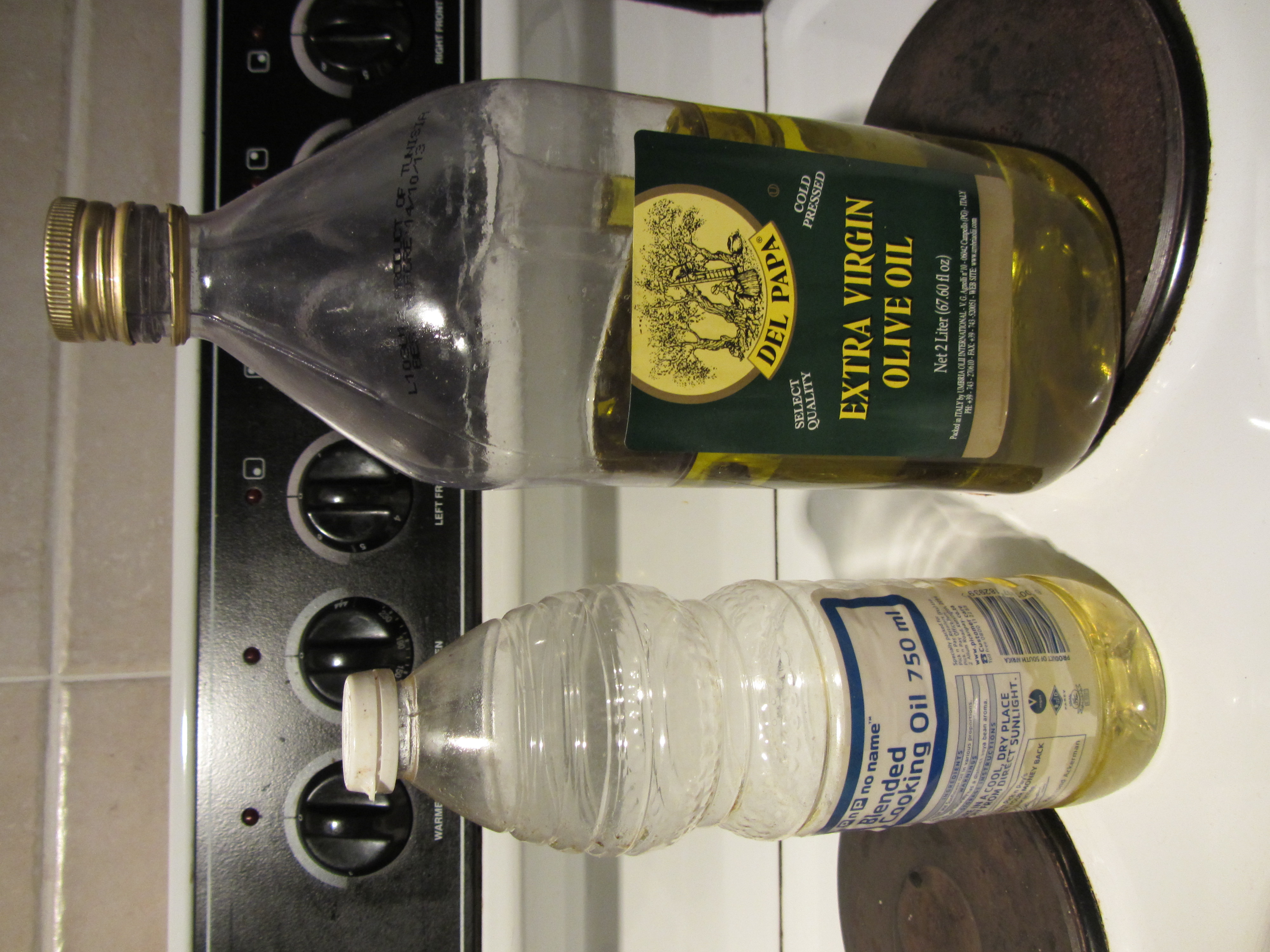
What Actually Matters When You Compare Oils
Before the bottle names start fighting for your attention, there are four variables worth checking. Ignore the rest of the marketing fog.
- Heat tolerance: Can this oil handle the way you actually cook, or will it start smoking and tasting burnt?
- Flavor: Do you want the oil to disappear into the dish, or do you want it to leave a clear taste behind?
- Fat profile: Different oils lean more monounsaturated, polyunsaturated, or saturated, and that affects how they fit into an overall diet.
- Budget and availability: A technically excellent oil that you never buy is not excellent. It is decorative.
The American Heart Association’s more general guidance on fats in foods is useful here because it cuts through the cartoon version of dietary fat. Liquid plant oils are often the easier pantry choice, especially if you cook at home regularly and want one bottle for more than one job.
That does not mean every seed oil is automatically perfect, and it does not mean every traditional oil is automatically bad. It means the body of the evidence is more boring than social media wants it to be. Boring is good. Boring usually means the kitchen will not explode.
Quick Comparison Table
| Oil | Flavor | Heat Behavior | Best Use | Main Watch-Out |
|---|---|---|---|---|
| Extra-virgin olive oil | Fruity, peppery, recognizable | Good for low to medium heat | Dressing, finishing, gentle sautéing | Flavor can dominate delicate dishes |
| Canola oil | Very neutral | Flexible for most everyday cooking | Baking, sautéing, roasting, all-purpose use | Almost too neutral if flavor is the point |
| Avocado oil | Mild, clean | Strong for higher heat cooking when refined | High-heat roasting, searing, versatile pan cooking | Usually costs more than the kitchen deserves |
| Sunflower or safflower oil | Neutral | Good high-heat performance when refined or high-oleic | Frying, roasting, neutral cooking | Check the type, because not every bottle is the same |
| Peanut oil | Light, slightly nutty | Well suited to hot wok or frying work | Stir-fry, deep frying, crisp textures | Allergy concerns matter in shared kitchens |
| Sesame oil | Toasty, assertive | Usually used in smaller amounts or at the end | Finishing, flavoring, dressings, marinades | Easy to overuse because it is loud |
| Coconut oil | Sweet, tropical, obvious | Useful for some baking and medium-heat cooking | Baking, recipes that want coconut flavor | Flavor and saturated fat profile do not fit every dish |
The Main Oils, Without the Fairy Tale
1. Olive Oil
Olive oil is the obvious favorite for people who like flavor and are not pretending otherwise. Extra-virgin olive oil has the strongest taste, so it is excellent in salad dressings, over roasted vegetables, on beans, and in other dishes where the oil is meant to be noticed. It can also handle ordinary stove-top cooking if you are not blasting the pan into the stratosphere.
Here is the clean diagnostic version: if the dish is subtle, use a gentle olive oil or choose something more neutral. If the dish is rustic, savory, or Mediterranean, olive oil usually makes sense. If you are cooking a sauce, a fish fillet, or vegetables and want the food to taste like the food rather than the fat, olive oil is usually the right kind of obvious.
My rule: use extra-virgin olive oil when flavor matters, and do not waste a fancy bottle on a situation that is basically “heat plus onions.” That is not cuisine. That is a test.
2. Canola Oil
Canola oil is the kitchen equivalent of a competent tool that does not ask for applause. It is neutral, affordable, and useful in a depressing number of contexts, which is exactly why it belongs in a real pantry. If you bake often, need a simple oil for sautéing, or want a bottle that disappears into the recipe, canola is hard to beat.
Harvard’s Nutrition Source has long treated liquid vegetable oils, including canola, as a practical choice for everyday cooking because they are versatile and easy to use in place of solid fats. That does not make canola magical. It makes it useful. The world survives on useful.
If a recipe wants butter-like flavor, canola will not deliver drama. If the recipe wants structure, flexibility, and a clean finish, canola usually does the job with less noise than many alternatives.
3. Avocado Oil
Avocado oil became fashionable for one reason: it does several jobs well without tasting like a lecture. Refined avocado oil is a solid choice for higher-heat cooking, roasting, and searing because it stays calm when the pan gets serious. It is also mild enough that it will not bulldoze the rest of the food.
The catch is price. Good avocado oil usually costs more than canola or sunflower oil, and that means you should buy it because you need it, not because the bottle made you feel superior for eight seconds. A useful oil is not the same thing as a status oil.
If you cook often at moderate to high heat and want a neutral taste, avocado oil earns its shelf space. If your budget is tight, it is optional rather than essential. There is no shame in choosing the cheaper competent thing.
4. Sunflower and Safflower Oil
Sunflower and safflower oils are often grouped together because they are both neutral, light, and practical for general cooking. The part that matters is the type. Some versions are more suitable for high-heat cooking, especially high-oleic versions, while others are better reserved for milder use. This is why reading the label matters more than pretending every bottle in the aisle has the same personality.
These oils are useful when you want a blank canvas. They do not bring much taste, which is either a strength or a disappointment depending on the dish. For frying, roasting, and neutral everyday work, they can do the task cleanly. If you want the oil itself to contribute character, look elsewhere.
People often overcomplicate this category. The simple version is: if the bottle is meant for high-heat cooking and the label says so clearly, it can be a smart pantry option. If the bottle is vague, inspect it with suspicion. That is just kitchen hygiene, not cynicism.
5. Peanut Oil
Peanut oil is one of the better choices when you want crisp heat and a light flavor that does not fight the ingredients. It is especially useful for stir-frying and deep frying, where a stable, clean-tasting oil matters more than romance. For many Asian-style dishes, peanut oil feels like the right native language.
The obvious caveat is allergy risk. That is not a minor footnote. If you cook for a group, a shared kitchen, or anyone with a peanut allergy, the bottle can become a bad idea fast. The right oil is not just a question of performance. It is a question of who is eating.
When the crowd is safe and the recipe wants hot, fast cooking, peanut oil is a strong option. When the crowd is unknown, use something less provocative.
6. Sesame Oil
Sesame oil is not really a general-purpose oil in the same way canola or olive oil are. It is more of a flavor weapon. A little goes a long way, especially toasted sesame oil, which can transform noodles, vegetables, dipping sauces, and marinades with almost rude efficiency.
Because the flavor is so loud, sesame oil works best as a finishing oil or in small quantities blended with a more neutral base oil. If you pour too much, the dish starts tasting like sesame and forgets it was supposed to be dinner. The oil wins, the recipe loses, and nobody needed that outcome.
Keep a small bottle, use it deliberately, and do not treat it like a neutral pan oil. It is not neutral. It has opinions.
7. Coconut Oil
Coconut oil is the oil people buy when they want the flavor to announce itself. In baking, it can add structure and a distinct taste. In some stovetop recipes, it works fine, especially when the goal is a coconut-forward profile. If the dish wants tropical sweetness, coconut oil belongs there.
Outside that lane, it is easy to overdo. The flavor can be distracting, and nutritionally it is different from most liquid plant oils because it contains a lot more saturated fat. That does not make it forbidden. It just means it should not be the default answer to every question in the pantry.
Use coconut oil because the recipe wants coconut oil. That sounds obvious, which is why people ignore it.
Nutrition: What You Can Compare Without Lying to Yourself
Nutrition comparisons are where oil marketing gets theatrical. People hear “seed oil,” “cold-pressed,” “extra-virgin,” “high smoke point,” and suddenly everyone is speaking in slogans instead of food. Do not do that. Compare the basics.
- Monounsaturated fats: Often found in olive and avocado oils; generally a useful feature in everyday cooking oils.
- Polyunsaturated fats: Common in canola, sunflower, and soybean-type oils; useful, but different oils behave differently under heat and storage.
- Saturated fats: Higher in coconut oil and animal fats; useful in certain recipes, but not something to turn into a default behavior if you cook daily.
- Refined vs. unrefined: Refining usually gives a more neutral flavor and often better heat tolerance, while unrefined oils preserve more flavor and character.
The American Heart Association’s more recent discussion of seed oils is useful because it pushes back on the panic version of the conversation. The point is not that every seed oil is perfect. The point is that demonizing an entire category is usually a lazy substitute for actual analysis.
That leaves you with a practical diet question: what are you replacing? If you are replacing butter or lard in some cooking situations with liquid plant oils, that may be an improvement. If you are replacing one neutral liquid oil with another just because the internet told you to panic, you are mostly participating in a ritual. Ritual is not nutrition.
Best Uses for Each Oil
If you want the short version, here it is. This is the part worth remembering when you are standing in the kitchen with a pan heating and no patience left.
- Use olive oil for salad dressings, roasted vegetables, beans, pasta, dipping, and low-to-medium heat cooking when flavor matters.
- Use canola oil for baking, general sautéing, roasting, and everyday cooking when you want neutrality and value.
- Use avocado oil when you want a neutral oil that handles higher heat and you are willing to pay for it.
- Use sunflower or safflower oil when the label makes clear it is suited to your heat level and you want a light, neutral result.
- Use peanut oil for stir-fries and frying when allergies are not part of the picture.
- Use sesame oil as a finishing oil or flavor accent, not as your default frying oil.
- Use coconut oil when you specifically want the coconut flavor and recipe structure it provides.
Here is the real-world translation of that list. If I am making vinaigrette or roasted carrots, I reach for olive oil. If I am baking muffins or just need a neutral workhorse, canola is probably enough. If I am searing vegetables or cooking something hot enough to make the pan hiss angrily, avocado or a suitable refined sunflower oil is often the cleaner choice. If I am doing a wok dish, peanut oil usually makes sense. If I am finishing noodles, a few drops of sesame oil can rescue a bland bowl from its own mediocrity.
That is the map. The rest is bottle cosplay.
How to Buy Oil Without Getting Played
Shopping for oil becomes easier once you stop treating the aisle like a personality test. Here is the checklist I would use if I were standing there with a cart and limited tolerance for nonsense.
- Decide the job first. Dressing, frying, baking, finishing, or daily all-purpose cooking?
- Check the flavor level. Do you want the oil to disappear or contribute a taste?
- Inspect the label. Refined, extra-virgin, cold-pressed, high-oleic, toasted, blended, or plain?
- Match the budget to the use. Save premium bottles for the situations that reward them.
- Buy two or three oils instead of one. That is not excess. That is normal kitchen function.
If your pantry is tiny, a sensible two-bottle setup is usually one neutral all-purpose oil and one flavor-forward oil. In plain terms, that might mean canola plus olive oil. If you cook at higher heat often, swap the second bottle for avocado or a suitable high-heat refined oil. If you love Asian cooking, keep sesame oil for finishing and peanut oil for the wok. That is enough to cover most home cooking without turning the shelf into a shrine.
There is also a storage point people skip because it sounds boring. Oil keeps longer when you store it tightly closed, away from heat and light. If you leave a bottle next to the stove as if it is a decorative prop, you are helping it age badly. Not every problem is culinary. Some are just bad habits wearing a chef hat.
Simple Recommendations by Cooking Situation
| Cooking Situation | Best First Choice | Backup Choice |
|---|---|---|
| Salad dressing or dipping | Extra-virgin olive oil | Sesame oil blended in small amounts |
| Everyday sautéing | Canola oil | Light olive oil |
| Roasting vegetables | Olive oil or avocado oil | High-oleic sunflower oil |
| High-heat searing | Avocado oil | Suitable refined sunflower or safflower oil |
| Stir-fry | Peanut oil | Refined neutral oil |
| Baking | Canola oil | Light olive oil or coconut oil, depending on flavor |
| Flavor finish | Sesame oil | Extra-virgin olive oil |
What I Would Actually Keep in a Normal Pantry
I do not need seven bottles to cook dinner, and neither do you. If I were keeping this simple, I would keep three categories on hand:
- One neutral oil: canola or a suitable high-heat neutral oil for general cooking and baking.
- One flavor oil: extra-virgin olive oil for dishes where taste matters more than invisibility.
- One specialty oil: peanut, sesame, or avocado depending on the kind of cooking you actually do.
That setup covers most household meals without pretending every oil is interchangeable. It also keeps you from paying premium prices for a bottle you use once a month. Pantry discipline is underrated because it is boring. Boring is how you avoid waste.
If you want to read more recipes and practical kitchen notes, the Blog page is where the rest of the guides live. If you want to ask a specific question about a cooking method or a recipe choice, send it through the Contact page and keep the message short. Nobody needs a novel about a frying pan.
Conclusion: Choose the Oil That Fits the Job
The best cooking oil is not the one with the loudest health slogan or the fanciest bottle. It is the one that matches the food, the heat, the budget, and the flavor you actually want. Olive oil is excellent when flavor matters. Canola is the reliable generalist. Avocado oil handles stronger heat. Peanut oil shines in stir-fry and frying. Sesame oil is a finishing move. Coconut oil is for recipes that want coconut, not for every possible kitchen problem.
If you remember only one rule from this guide, make it this: decide the cooking job first, then buy the oil. That single step cuts through most of the confusion. It also saves money, which is pleasant, and occasionally the rarest ingredient in the room.
For a real kitchen, I would start with one neutral oil and one flavor oil, then add a specialty bottle only if your cooking habits prove you need it. That is the first diagnostic step. Check the job before you change the bottle.
- Olive oil for flavor and everyday Mediterranean-style cooking.
- Canola oil for neutral, affordable, versatile use.
- Avocado oil for higher heat and mild flavor.
- Peanut oil for stir-frying and frying.
- Sesame oil for finishing and aroma.
- Coconut oil when the recipe specifically wants it.