How to Create a Family Cookbook: A Step-by-Step Guide
A family cookbook is more than a stack of recipes. It is a continuity file for meals, memory, and the people who kept showing up at the table. I treat that as a practical job, not a sentimental slogan. If you are asking where the recipes live, which version is correct, how to keep stories attached to the food, and how to share the finished book without losing control of the source, you are already asking the right questions. Julia Child put the point plainly: No one is born a great cook.
The problem is real. Family recipes drift. Measurements change. Instructions get shortened until only one cousin knows what “a good handful” meant. Oral-history guidance from the Library of Congress shows why recorded stories matter when memory is the first source. USDA food-safety guidance also matters because a family favorite should not become a failure mode when someone skips a temperature note or stores leftovers badly; see the safe temperature chart for the practical baseline. And if you want a broader example of food history being treated as cultural history, the Smithsonian’s food history resources show how recipes become records, not just instructions.
By the end of this guide, I want you to have a clean process for gathering recipes, testing them, organizing them into sections, designing pages people can actually use, and printing or sharing the cookbook without turning the source files into a family argument. I will keep it simple, but I will not keep it vague. Vague recipes are how you end up with six different “original” versions of the same potato salad.
Terms I use before I start
I like to define the working terms first. It keeps the project steady when multiple relatives start offering corrections at once.
| Term | What I mean | Why it matters |
|---|---|---|
| Master recipe | The most complete, tested version of a dish. | This becomes the source copy for the cookbook. |
| Source recipe | A handwritten card, old email, text message, or memory from a relative. | This is the raw material before cleanup. |
| Test batch | A trial version made before final publication. | This is where mistakes show up before the book is printed. |
| Contributor note | A short story, memory, or tip from the person who shared the recipe. | This keeps the cookbook human instead of mechanical. |
| Proof copy | The first printed version used for review. | This is the last chance to catch layout and content errors. |
| Index | An alphabetical or theme-based guide to recipes and contributors. | This is how people actually find things later. |
That vocabulary may look small, but it solves a large problem: families often talk about “the recipe” when there are really five versions, two stories, one photo, and a note that says “do not overbake like last time.” The cookbook becomes easier once I give each piece a name.
1. Gather the recipes before you worry about design
I start with the people, not the layout. Design can wait. Missing recipes cannot.
The first pass is a collection pass. I ask siblings, parents, grandparents, aunts, uncles, cousins, and anyone else who has actually made the dish in question. If one person only remembers “something with cinnamon and a lot of butter,” that still counts as a lead. It just does not count as a final recipe yet.
I usually ask five questions at the same time:
- Who made this dish most often?
- Where did the version come from?
- What event or holiday does it belong to?
- What details are always included when it is made correctly?
- What mistake should never happen again?
Those questions do two things. First, they collect the actual recipe. Second, they collect the story around the recipe. The story is not garnish. It helps the next person understand why the dish matters and when it should be served.
| Source | What I collect | Common failure mode |
|---|---|---|
| Handwritten cards | Exact wording, ingredient order, notes in the margins, date if present | Important details are often hidden in tiny handwriting |
| Voice memories | The person’s explanation of how the recipe should taste | Memory can skip measurements, so I always verify later |
| Photos of finished dishes | Visual cues for color, texture, and portion size | A photo can help more than a paragraph of adjectives |
| Old emails or texts | Ingredient lists, shortcuts, substitutions, and timing notes | Messages are often incomplete but still very useful |
| Holiday menus | Which dishes belong together and which dishes are signature items | A menu can confirm the role of a recipe in family life |
I also like to separate the search into categories so nothing gets buried:
- Main dishes: the meals people expect to see at the center of the table.
- Sides: the dishes that carry a memory even if they are not the headline item.
- Desserts: the recipes most likely to have handwriting, replacements, and strong opinions.
- Holiday dishes: the recipes tied to annual traditions and family rituals.
- Quick favorites: the recipes used when people are tired, busy, or feeding a crowd without a speech.
If you are building the cookbook as part of a broader family project, I would keep a running page on the Blog index or another shared section of the site while the material is still being gathered. That way the source notes stay in one place instead of scattering across phones, sticky notes, and the kind of folder names nobody wants to explain later.
What I copy from each recipe source
When I gather a recipe, I do not just copy the ingredients. I capture the parts that save the recipe from future confusion:
- ingredient list with quantities,
- brand names where they matter,
- oven temperature, pan size, or cooking vessel,
- yield or number of servings,
- resting, chilling, or cooling time,
- serving suggestion,
- special notes from the person who made it well.
That checklist sounds mundane. It is. Mundane is what keeps a cookbook usable after the original cook is no longer standing beside the stove correcting everyone’s technique from memory.
2. Clean the instructions so the recipes can survive time
Once I have the raw material, I clean it. This is where a family cookbook becomes a practical document instead of a scrapbook with food in it.
The first rule is to standardize the language. If one recipe says “bake until done” and another says “until golden brown,” I decide whether the cookbook should preserve the original wording in a note or replace it with a clearer instruction in the master version. I do not let the final book depend on guesswork unless the guesswork is itself part of the family tradition. Some old cooking habits deserve preservation. Some just deserve translation.
| Vague source note | Cleaner cookbook version | Why I changed it |
|---|---|---|
| “Add flour until it looks right.” | “Add flour 1/4 cup at a time until the dough is soft but not sticky.” | Gives the next cook an actual decision point |
| “Cook a while until it smells good.” | “Cook over medium heat for 8 to 10 minutes, stirring often, until the onions are translucent and the garlic is fragrant.” | Adds a time range and a visual cue |
| “Use a regular pan.” | “Use a 9-by-13-inch baking pan.” | Prevents a size mismatch |
| “Serve with sauce.” | “Serve warm with 1 cup of the reserved sauce spooned over each portion.” | Makes the serving step explicit |
I also normalize measurements. I keep the original measurement if it is culturally important or clearly intentional, but I add clarity where it helps. For example, “a coffee cup of sugar” may be a charming family phrase, but the cookbook should say what the weight or volume actually is if I can verify it. That is not disrespect. That is maintenance.
When a recipe has two versions, I do not guess which one is “real.” I label them. I might write:
- Version A: the older card from Aunt Maria.
- Version B: the later version used at holiday dinners.
- Master version: the one we tested and agreed to print.
This approach protects the history and the usability of the cookbook at the same time. The family gets the story, but the reader gets a recipe that can actually be cooked without a trial court hearing in the kitchen.
Testing is not optional
I always recommend a test batch for any recipe that matters. A test batch tells me whether the instructions are complete, whether the timing is realistic, and whether the dish still works if the person making it is not the original source.
During testing, I note four things:
- What I changed from the source recipe.
- What stayed the same.
- What the result looked, smelled, and tasted like.
- What I would tell another cook before they try it.
This is where the cookbook gets reliable. A family recipe that has been tested once and documented carefully is much easier to repeat than one that is merely remembered loudly.
3. Build the cookbook structure around real life
I do not design the table of contents first. I design it after I know what the family actually cooks. That keeps the book from becoming a neat but useless artifact.
There are a few structures that usually work well:
- By meal type: breakfast, lunch, dinner, dessert, snacks.
- By event: holidays, birthdays, Sunday supper, reunions.
- By ingredient: chicken, vegetables, breads, cakes, sauces.
- By contributor: recipes grouped by family member.
- By story: sections built around a shared memory, place, or tradition.
I usually prefer a hybrid. A simple family cookbook might have sections for appetizers, main dishes, sides, desserts, and special occasions, followed by a story section and an index. If the book is large, I add tabs or clear section headers. If the book is small, I keep the structure loose and practical. The right structure is the one people will still use after the novelty wears off.
| Section | What belongs there | Why it helps |
|---|---|---|
| Appetizers | Small plates, dips, party starters | Easy for people to browse before a gathering |
| Main dishes | Entrées and slow-cooked meals | Makes the core of the family meals easy to find |
| Sides | Vegetables, rice dishes, casseroles, breads | These are often the most repeated recipes |
| Desserts | Cakes, pies, cookies, bars | Usually the most treasured handwritten pages |
| Special occasions | Holiday dishes and event-specific recipes | Protects recipes tied to a season or ritual |
| Notes and stories | Contributor memories, photos, traditions | Turns the cookbook into a family archive |
This is also where I think about the visual tone. A cookbook does not need to look expensive to look trustworthy. It needs to look intentional. I prefer a clean title page, one strong recipe photo, generous margins, readable type, and section dividers that make it easy to flip through the book while someone is actually cooking. A book that looks pretty but cannot survive flour on the counter is not a cookbook. It is a decoration with ambitions.
A page layout that holds up in the kitchen
When I lay out the pages, I keep these rules in mind:
- Put the recipe title at the top, not buried under a decorative block.
- Keep ingredients in a single column if possible.
- Break instructions into numbered steps.
- Reserve space for notes or family tips.
- Use page numbers so the index works.
- Avoid tiny type that collapses on a phone or in a printed copy.
Those details are not cosmetic. They are the difference between a cookbook that gets used and a cookbook that gets admired for six seconds before being placed carefully on the shelf forever.
4. Design pages people will actually use
This is the section where I slow down and pay attention to the boring parts. Boring parts are where reliability lives.
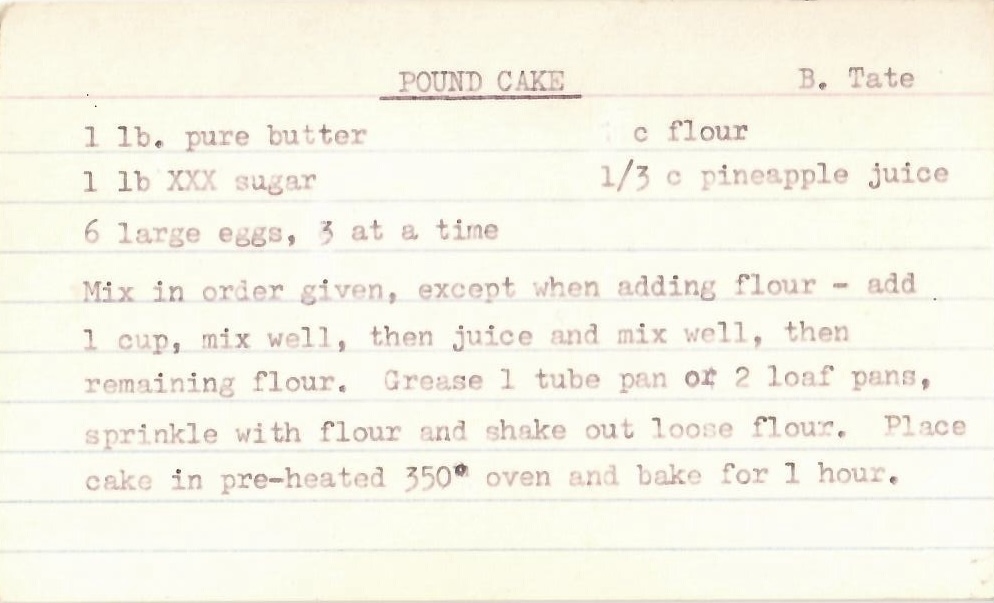
The photo placement matters. I do not scatter images randomly. I put a visible image near the beginning of the recipe, a supporting image if one is useful, and I keep captions short. A family cookbook should feel warm, but it should not bury the recipe under decorative clutter. The image below works because it looks like a source document: handwritten, concrete, and easy to trust.
That is the same principle I use in the content itself. Every recipe should answer three quick questions within a few seconds of opening the page:
- What is this?
- How much does it make?
- What do I need to know before I start?
If a page answers those questions quickly, the rest of the cooking goes smoother. If it does not, the cook starts improvising before the pan is warm. That is where errors begin.
Here is the way I would format a single recipe page in a final book:
- Title: the familiar family name and any alternate name.
- Contributor: who shared or made the dish most often.
- Story note: one or two sentences of context.
- Ingredients: measured and ordered the way they are used.
- Steps: concise, numbered, and easy to follow.
- Tip box: substitution or storage notes if needed.
- Yield: serving count or pan size.
If I am helping a family build the cookbook on a website or shared digital file, I would keep the broader site support in one place and point people to the Services page for the site’s operational support path. The actual recipes still belong in the cookbook, but the workflow around them needs a home too.
Design choices that protect usability
| Design choice | My rule | Reason |
|---|---|---|
| Type size | Large enough to read while cooking | Small type fails in the kitchen |
| Margins | Wide enough for notes and binding | People always want to add comments later |
| Photos | Use only when they add real clarity | Too many photos slow down the reader |
| Color | Keep it calm and consistent | Busy design makes pages harder to scan |
| Section tabs | Use them if the book is long | They make the cookbook easier to navigate |
I also recommend a simple index with multiple access points. A good family cookbook should let someone search by dish name, main ingredient, contributor, and holiday use. If the index is thoughtful, people will actually come back to the book instead of asking the same question every December.
5. Print and share without losing the source
Printing the cookbook is not the end of the project. It is the moment when the book becomes something the family can trust. That trust comes from the proofing process.
I like to print a proof copy before I commit to a final run. The proof copy catches alignment problems, bad page breaks, missing ingredients, and the classic problem of a recipe that starts on one page and finishes three pages later. That is not layout. That is a scavenger hunt.
| Format | Best for | Risk |
|---|---|---|
| Spiral bound | Kitchen use and easy page turning | Not always the most elegant shelf copy |
| Three-ring binder | Projects that will keep changing | Can look temporary if the cover is neglected |
| Stapled booklet | Shorter collections or draft runs | Limited page count and durability |
| Perfect bound book | Polished final editions | Harder to update later |
| Digital PDF | Easy sharing and backup | Can disappear into old email chains if unmanaged |
For most families, I think the safest path is this: keep a digital master file, print a proof copy, and then decide whether the final version should be spiral bound, ring bound, or produced as a more polished keepsake. The digital master is the source of truth. The printed book is the working copy. If you treat them the other way around, future updates become painful very quickly.
For families that want a searchable recipe archive later, a neutral reference on AI integration services points to the kind of workflow consolidation that keeps scans, notes, and revisions in one place.
Sharing is where the cookbook becomes a family asset instead of one person’s project. I recommend sending a PDF to everyone who contributed, keeping one printed copy in the kitchen, and storing one backup copy somewhere that is not the same drawer as the flour. The world is full of failure modes. Kitchen drawers are especially efficient at hiding them.
How I handle permissions and updates
If a recipe came from one person and includes personal notes, I ask whether those notes should stay private, be shortened, or be shared exactly as written. That is especially important when the cookbook will circulate outside the immediate family. People are usually happy to share a casserole recipe. They are less eager to have every family comment printed forever in a book that may outlive the conversation.
For updates, I use a simple rule:
- Keep one master file.
- Save dated revisions.
- Record what changed.
- Replace only after review.
This keeps the cookbook alive without turning it into chaos. Tradition should be steady, not frozen. A good family cookbook can accept new recipes, newer photos, and corrected instructions without forgetting where it came from.
6. Keep the tradition alive after publication
A cookbook is never really finished. It just reaches a stable version.
After the first edition is printed, I like to keep a small update page or a running note file where family members can suggest changes. Maybe Aunt Karen finally wrote down the correct measurement for the glaze. Maybe the holiday casserole needs one less minute in the oven. Maybe someone found a photo of the original cook standing next to the pie. Those details keep the book from becoming museum glass.
I also recommend giving the cookbook a small maintenance routine:
- Review new recipes once a year.
- Replace unclear steps with tested steps.
- Add contributor stories while people still remember them.
- Back up the digital file in two places.
- Print a fresh copy when the old one starts to look tired.
If you want more practical kitchen writing after this, the Home page is the front door, and the Blog index is where the other guides live. I would start there if you want more recipes, household systems, and family-friendly project ideas in one place. If you need broader site support as the project grows, the Services page is the branch to use.
Conclusion: build the book, then keep it usable
A family cookbook does not need to be fancy to matter. It needs to be complete enough to trust, clear enough to use, and personal enough to feel like home. I would rather see a modest cookbook with tested recipes, clean notes, and honest stories than a polished book full of mystery instructions and broken memories.
If you want the shortest possible version of the process, it is this:
- Gather the recipes from people and paper.
- Standardize the instructions and test the important ones.
- Design the pages for real kitchen use.
- Print a proof copy before the final edition.
- Store the master file and keep the tradition updated.
My final rule is simple: preserve the stories, but publish the recipes in a form the next cook can actually use. That is how a family cookbook earns its place on the counter, not just on the shelf.