Creating a Balanced Plate: Nutrition Tips for Families
If family meals feel harder than they should, this guide will help you build a plate that is calm, practical, and good enough to repeat tomorrow.
When people look for family nutrition advice, they usually want the same four answers: What should go on the plate? How do I plan meals without spending all Sunday in the kitchen? What do I cook when one person wants pasta and another wants chicken nuggets? and How do I make healthy eating feel normal instead of ceremonial? I keep coming back to those questions because they are the real ones. The rest is decoration.
The World Health Organization’s healthy diet guidance says the basics still matter: more plant foods, less salt and sugar, and a pattern that works over time. The Harvard Healthy Eating Plate turns that into a simple visual. That is the useful part. Families do not need a flawless diet. They need a repeatable one.
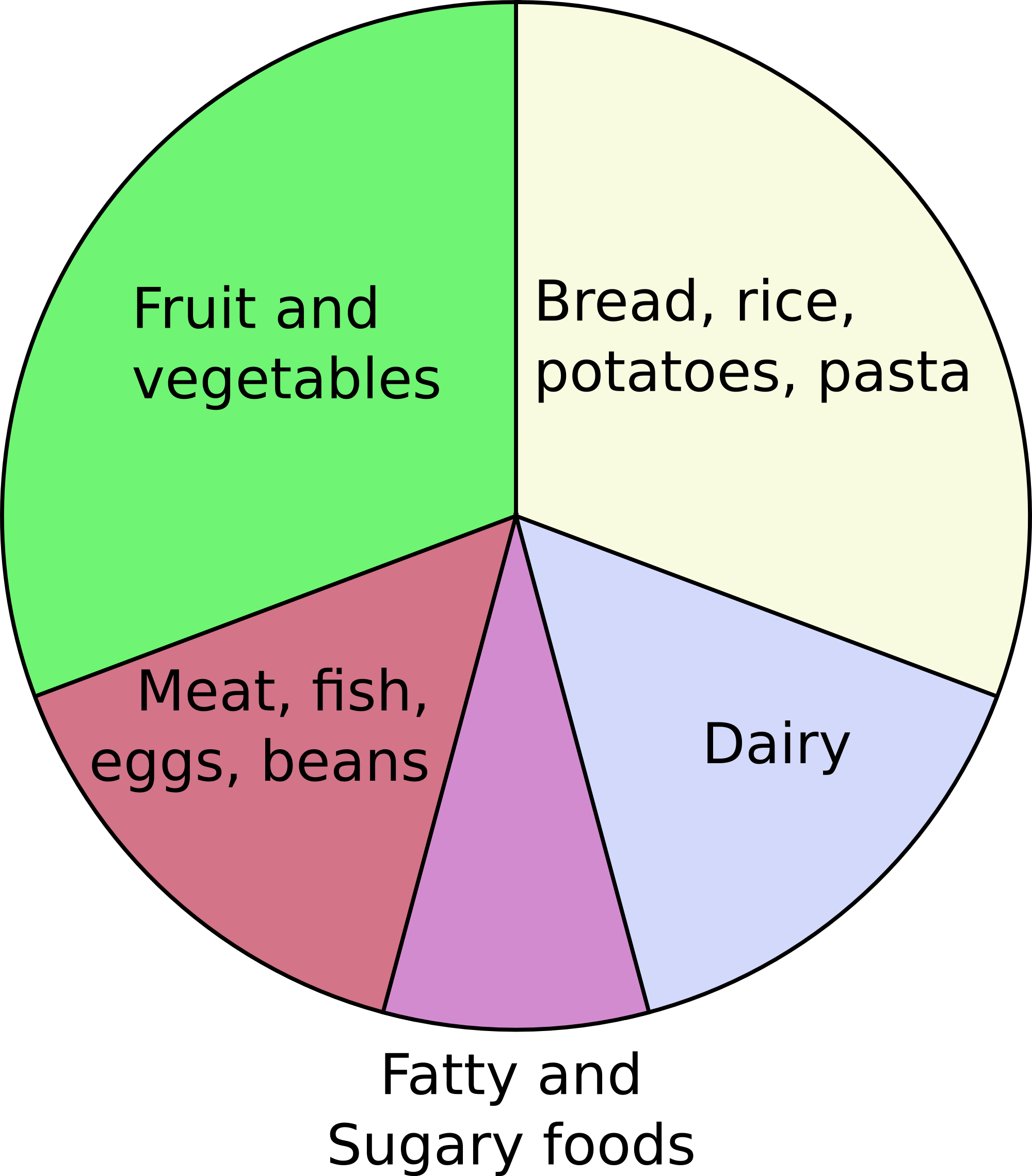
In this article, I will show you how to build a balanced plate, how to plan a week of meals without guesswork, and how to turn that plan into breakfasts, lunches, dinners, snacks, and the occasional dessert that does not start a household negotiation. If you want more site context while you read, you can always start at the home page, browse the blog index, or send a note through the contact page.
What you will get here is not theory for theory’s sake. You will get a usable pattern, a few realistic examples, and a way to make lunch and dinner less dramatic. Which is a respectable outcome for any Wednesday.
Contents
- Key terms and definitions
- What a balanced plate looks like
- A simple meal-planning system
- Family-friendly meal ideas
- What to do when the plan fails
- Conclusion and key points
Key terms and definitions
Before I move into the plate itself, I want to define the words that often get used loosely. Families hear these terms everywhere, and then the conversation turns muddy. Clear terms make better decisions.
| Term | Plain meaning | Why it matters at home |
|---|---|---|
| Serving | The amount listed on a nutrition label or meal guide. | A serving is a reference point, not a commandment. Children and adults may need different amounts. |
| Portion | The amount that ends up on a plate. | Portions are what you actually eat, which is why plate size and serving style matter. |
| Whole grain | Grain that keeps the bran, germ, and endosperm. | Usually more filling and more fiber-rich than refined grains. |
| Lean protein | Protein with less saturated fat and fewer extras. | Helps build meals that satisfy without becoming heavy. |
| Dairy or dairy alternative | Milk, yogurt, cheese, or fortified non-dairy options. | Useful for calcium, protein, and meal structure, if your family uses them. |
| Balanced plate | A meal pattern that combines vegetables or fruit, protein, grains, and sometimes dairy or a substitute. | A practical default for building meals that feel complete. |
The important point is simple: balance is a pattern, not a punishment. If you miss one part at breakfast, you do not need to hold a family tribunal about it. You just adjust the next meal.
What a balanced plate looks like
The strongest family nutrition advice is also the least dramatic. Build the plate around a few dependable pieces, then repeat them in different combinations. The USDA MyPlate model, the Harvard Healthy Eating Plate, and the WHO healthy diet page all point toward the same practical direction: more plants, enough protein, steady grains, and fewer empty extras.
Here is the reasonable default I use for most family meals:
| Plate section | Reasonable default | Easy family examples | Common mistake to watch for |
|---|---|---|---|
| Half the plate | Vegetables and fruit | Carrots, broccoli, cucumbers, berries, apples, peppers, salad, frozen mixed vegetables | Counting juice as a fruit shortcut. It is not the same job. |
| One quarter | Protein | Eggs, chicken, fish, beans, lentils, tofu, yogurt, cheese, nut butter | Only using processed meats because they are convenient. Convenience has a sodium bill. |
| One quarter | Whole grains or starchy sides | Brown rice, oatmeal, whole wheat bread, whole grain pasta, corn tortillas, potatoes | Letting every grain side become refined by default. |
| Side or add-on | Dairy or fortified alternative, if your family uses it | Milk, plain yogurt, kefir, fortified soy milk | Turning flavored drinks into the main event. |
The plate model works because it gives you a visual rule. If dinner looks mostly beige, that is a clue. If breakfast has only sugar and coffee, that is also a clue. The plate is not a moral test. It is a quick audit.
“Eat food. Not too much. Mostly plants.”
That quote is famous because it is precise. It does not demand perfection. It points toward a default. Families usually do better with defaults than with inspiration.
1. Half the plate: vegetables and fruit
Vegetables and fruit do the heavy lifting in a family meal. They add color, fiber, and volume. They also make the plate look like someone paid attention, even when the meal came together in fifteen minutes.
Good defaults: roast vegetables on the weekend, keep frozen vegetables in the freezer, and leave fruit visible on the counter. If the food is easy to see, it is easier to eat. That is not psychology theater. It is just how kitchens work.
Examples that travel well:
- Baby carrots with hummus before dinner.
- Frozen broccoli tossed into pasta.
- Apple slices with peanut butter after school.
- Cucumber and tomato salad next to rice and chicken.
2. One quarter: protein
Protein is the part that keeps meals satisfying. It helps children and adults feel full long enough to avoid the 5 p.m. snack spiral, which has ruined many noble plans.
Families often overcomplicate protein. You do not need a different one every day. You need a short list that works:
- Eggs for breakfast or dinner.
- Beans and lentils for low-cost meals.
- Chicken, fish, or turkey for simple main dishes.
- Tofu or tempeh when you want a plant-forward option.
- Plain yogurt or cottage cheese when you need a quick side.
If your family has different preferences, mix them. A taco night can include chicken, beans, and cheese on the same table. The point is not to force everyone into one pattern. The point is to make the table flexible enough that it does not collapse.
3. One quarter: whole grains and starchy sides
Whole grains are the reliable energy source in a balanced meal. They keep a plate from becoming all protein and vegetables, which can work for some people but is harder for active kids and busy adults to sustain.
Reasonable defaults include brown rice, oats, whole wheat bread, whole grain pasta, quinoa, and potatoes with the skin on. If your family is used to white rice or regular pasta, do not start with a lecture. Start with a mix: half white rice and half brown rice, or regular pasta paired with extra vegetables and beans.
That is often enough to shift the pattern without triggering a rebellion over dinner. Small wins matter more than nutrition theater.
4. Dairy or a dairy alternative
For families that use dairy, a glass of milk or a serving of yogurt can round out a meal. If your household uses plant-based alternatives, choose fortified options with protein and calcium rather than assuming any substitute will do the job equally well.
This is one of those places where the label matters. Some drinks look nourishing but behave more like dessert. A little reading now saves confusion later.
The American Heart Association’s healthy eating guidance is useful here because it keeps the focus on patterns, not gimmicks. That is a better standard for families than chasing the newest idea every week.
A simple meal-planning system
If you want family nutrition to work, you need a planning system that survives real life. I use a three-part method: choose the week, choose the anchor foods, then choose the emergency backups.
That sounds formal. It is not. It is how you stop dinner from becoming a nightly referendum.
Step 1: Pick 3 anchors for the week
Anchors are meals or ingredients you can repeat. A family does not need seven different dinners. It needs three dependable ones that rotate.
- Anchor 1: A sheet-pan meal with protein, vegetables, and potatoes or rice.
- Anchor 2: A bowl meal such as rice, beans, vegetables, and a sauce.
- Anchor 3: A quick pasta or taco meal with a vegetable side.
Once those anchors are in place, the rest of the week becomes easier. The same ingredients can move through breakfast, lunch, and dinner with less waste.
Step 2: Batch the boring parts
The American Academy-style advice you actually want is this: do the dull work once. Wash fruit. Chop vegetables. Cook a batch of rice. Roast a tray of sweet potatoes. Make a pot of beans or lentil soup. When the basic parts are ready, dinner is assembly, not invention.
That is where family routines become sustainable. You are not trying to be clever every night. You are trying to avoid panic.
The NHLBI’s We Can! healthy eating resources for families reinforce the same idea: keep the goal simple, keep the kitchen stocked with useful food, and make healthy choices the easy choices.
Step 3: Keep an emergency list
Every family needs a backup plan. Mine is a short list of meals that require almost no thought. You should build your own list and put it somewhere visible.
| Situation | Backup meal | Why it works |
|---|---|---|
| Too tired to cook | Eggs, toast, fruit, and yogurt | Fast, filling, and easy to finish. |
| Need a low-cost dinner | Bean and rice bowls with salsa and vegetables | Uses pantry staples and stretches the budget. |
| Kids are hungry now | Cheese, whole grain crackers, carrots, and fruit | Enough structure to count as a meal, not just a snack. |
| Only 15 minutes available | Rotisserie chicken, bagged salad, and microwaved potatoes | Cheap in time, not in nutrition. |
Step 4: Involve children without making it a performance
Children do better with food when they help in small, concrete ways. Let them wash produce, stir a sauce, set the table, or choose between two vegetables. Do not hand them the entire kitchen and expect a miracle.
That is a decision worth making deliberately. The goal is not a tiny chef. The goal is a child who recognizes balanced food as normal.
Step 5: Use one grocery list, not five
Write the list by category: produce, protein, grains, dairy or alternatives, pantry, and snacks. A clear list prevents duplicate purchases and keeps the kitchen stocked for repeatable meals.
When the list is organized, the week feels organized. That is not just administrative comfort. It directly affects what gets eaten.
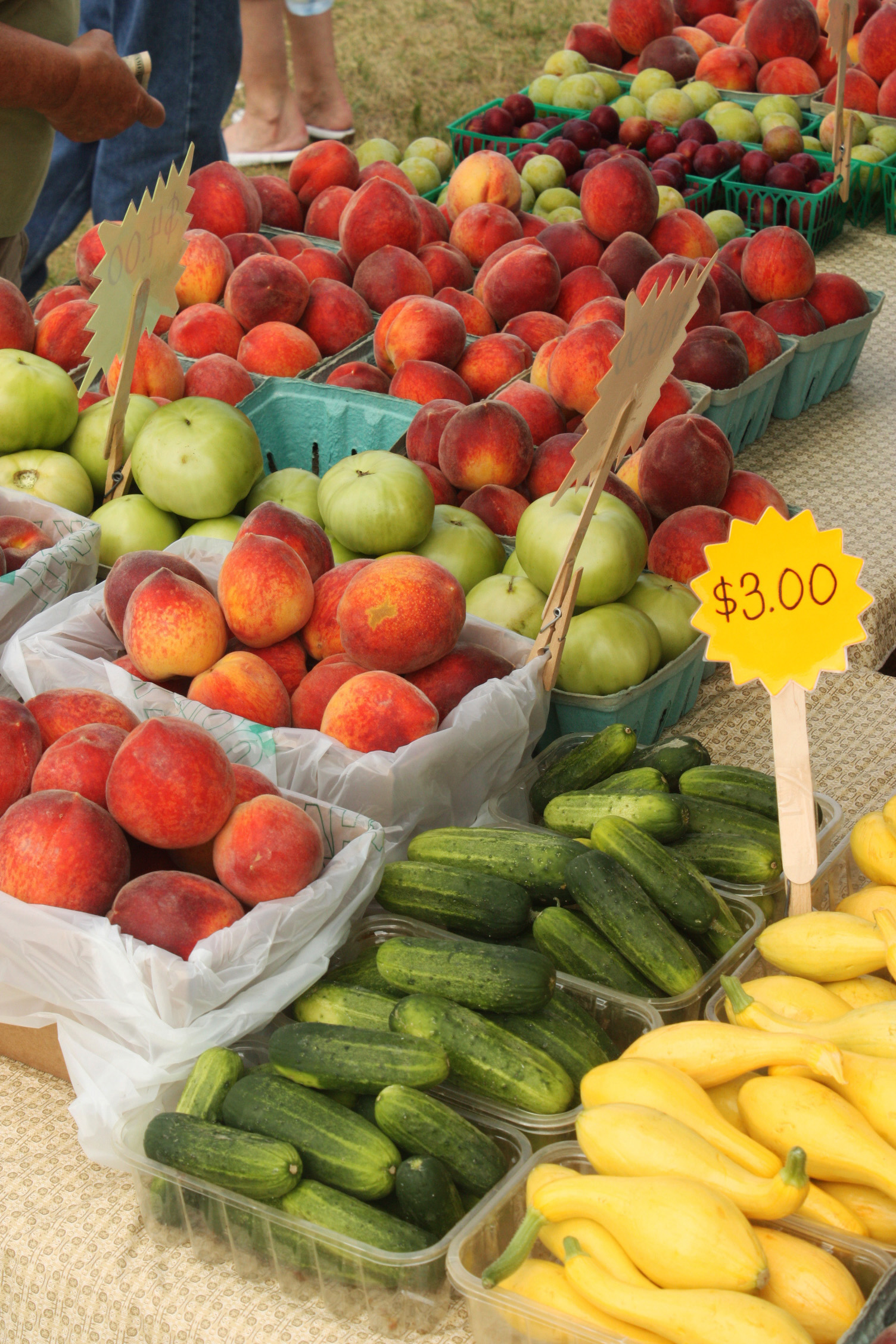
Fresh produce helps, but frozen and canned vegetables count too if they are chosen well. The real question is not whether the produce came from a perfect photograph. The real question is whether the family will eat it on Tuesday night.
Family-friendly meal ideas
Now for the part readers usually want first: what can we actually eat? I am not interested in recipes that look elegant and collapse under weekday pressure. I am interested in meals that behave.
Breakfast ideas
1. Yogurt bowl with fruit and oats. Use plain yogurt, berries or sliced banana, and a handful of oats or granola. Add nuts or seeds if your family likes crunch. This is a useful choice because it gives protein, fruit, and a grain in one bowl.
2. Vegetable eggs on toast. Scramble eggs with spinach, mushrooms, or peppers. Serve on whole grain toast with a side of fruit. If your family wants a little more, add avocado or cheese. It scales well.
3. Overnight oats. Mix oats, milk or fortified alternative, chia seeds, and fruit the night before. In the morning, the breakfast is already waiting. That is the kind of planning that actually survives a school day.
Lunch ideas
1. Wraps with protein and vegetables. Fill a whole wheat wrap with turkey, hummus, beans, or chicken, then add lettuce, cucumber, or shredded carrot. A fruit and water on the side gives the lunch enough structure to last.
2. Leftover bowls. Rice, roasted vegetables, and leftover chicken or tofu become lunch with almost no effort. Add salsa or a yogurt-based sauce and the same ingredients feel new enough to eat again.
3. Soup and bread. Lentil soup, vegetable soup, or chicken soup can become a full lunch with whole grain bread and fruit. Soup is underrated because it uses a lot of the food groups without acting like it is trying too hard.
Dinner ideas
1. Sheet-pan chicken and vegetables. Toss chicken, broccoli, carrots, and potatoes with olive oil and seasoning. Roast until done. Dinner is complete with almost no moving parts.
2. Bean tacos. Warm beans with spices, then serve in corn or whole wheat tortillas with lettuce, tomato, cheese, and salsa. This is a strong family meal because each person can assemble a version that fits.
3. Pasta with vegetables and protein. Cook whole grain pasta, stir in tomato sauce, and add sautéed zucchini, spinach, and ground turkey or lentils. This is how you keep pasta night from becoming empty carbs with better manners.
4. Stir-fry rice bowls. Use leftover rice, frozen vegetables, and chicken, tofu, or eggs. Add a simple sauce. You will spend less time cooking than you would spend debating delivery options.
Snack and dessert ideas
Snacks should support the next meal, not replace the entire day. Good examples include:
- Apple slices with peanut butter.
- Greek yogurt with berries.
- Carrots and hummus.
- Cheese and whole grain crackers.
- Air-popped popcorn with fruit.
For dessert, keep the default simple: fruit, yogurt with cinnamon, or a small homemade treat after dinner. You do not need to make dessert the villain. You just need to keep it in proportion to the meal.
A one-day family meal map
| Meal | Example | Balanced plate check |
|---|---|---|
| Breakfast | Eggs, toast, strawberries, and milk | Protein, grain, fruit, dairy |
| Lunch | Turkey wrap, carrot sticks, apple, water | Protein, vegetables, fruit, whole grain |
| Dinner | Chicken, broccoli, rice, and yogurt sauce | Protein, vegetables, grain, optional dairy |
| Snack | Hummus with cucumbers | Vegetables plus protein/fat |
Notice the pattern. The meal ideas are not fancy. They are repeatable. Repeatable is what lasts.
What to do when the plan fails
It will fail sometimes. That is not a moral event. It is a schedule event. Someone stays late. A child rejects the vegetables. You forget to thaw the chicken. Life continues, which is inconvenient but useful.
Here is the practical response:
- Use the pantry. Beans, tuna, rice, oats, pasta, and canned tomatoes can save a meal.
- Use the freezer. Frozen vegetables and fruit are not a backup plan. They are part of the plan.
- Use repetition. If a meal worked once, make it again next week.
- Use swaps, not surrender. If one child will not eat salad, offer sliced cucumbers or roasted carrots instead.
- Use a calm tone. Children eat better when meals are predictable and the adults are not staging a nutrition crisis.
The family that succeeds most often is usually not the family with the most elaborate menu. It is the family with the clearest default. That is the difference between a system and a wish.
If you need a broader reference point while you refine your own routine, use the same rule that appears across the major guides: keep the meals simple, keep the produce visible, and keep the protein choices practical. That is where family nutrition becomes sustainable.
Conclusion and key points
A balanced plate is not a trend. It is a stable decision rule. Half vegetables and fruit, a quarter protein, a quarter whole grains or starchy sides, and a sensible dairy or alternative if your family uses one. That is enough structure to guide most meals without turning dinner into a project.
The real win is not a perfect plate. The real win is a repeatable one. If your family can build a few reliable breakfasts, lunches, and dinners, you already have the foundation most people are trying to invent from scratch.
Start small. Pick three anchor meals. Keep the pantry stocked. Put fruit where people can see it. Let children help in one small way. Then repeat the parts that work.
If you want to keep exploring, return to the blog index for more practical guides, revisit the home page for the site’s main sections, or use the contact page if you want to share a question or topic idea.
Key points at a glance:
- Build meals around a simple plate pattern instead of chasing perfection.
- Use vegetables, fruit, protein, grains, and sensible dairy or alternatives as your baseline.
- Plan around a few anchors and keep backup meals ready for busy nights.
- Choose family meals that are repeatable, not just impressive once.
- When the plan breaks, return to the same structure the next meal.
Balanced food is easier to maintain when the system is small enough to remember. That is the decision worth protecting.