The Science of Baking: Understanding Ingredients
Baking looks like a recipe, but it behaves like a small chemistry lab with better snacks. If you have ever wondered why one extra spoon of flour can turn a cake from tender to stubborn, or why eggs sometimes feel like the glue that keeps everything from falling apart, this article is for you. The good news is that the science is not mysterious; it is just picky. For a quick primer on the bigger picture, see Baking and Leavening agent, which explain why heat, gas, and structure have to cooperate instead of improvising like an overconfident intern.
When a recipe fails, the usual villain is not the oven. It is the ingredient balance. Flour builds structure, sugar changes moisture and browning, eggs bind and lift, fat shortens gluten, and leaveners create the rise that makes a batter turn into something that looks like it planned to be cake all along. If you understand the role of each ingredient, you stop guessing and start making small, deliberate changes that actually improve the result.
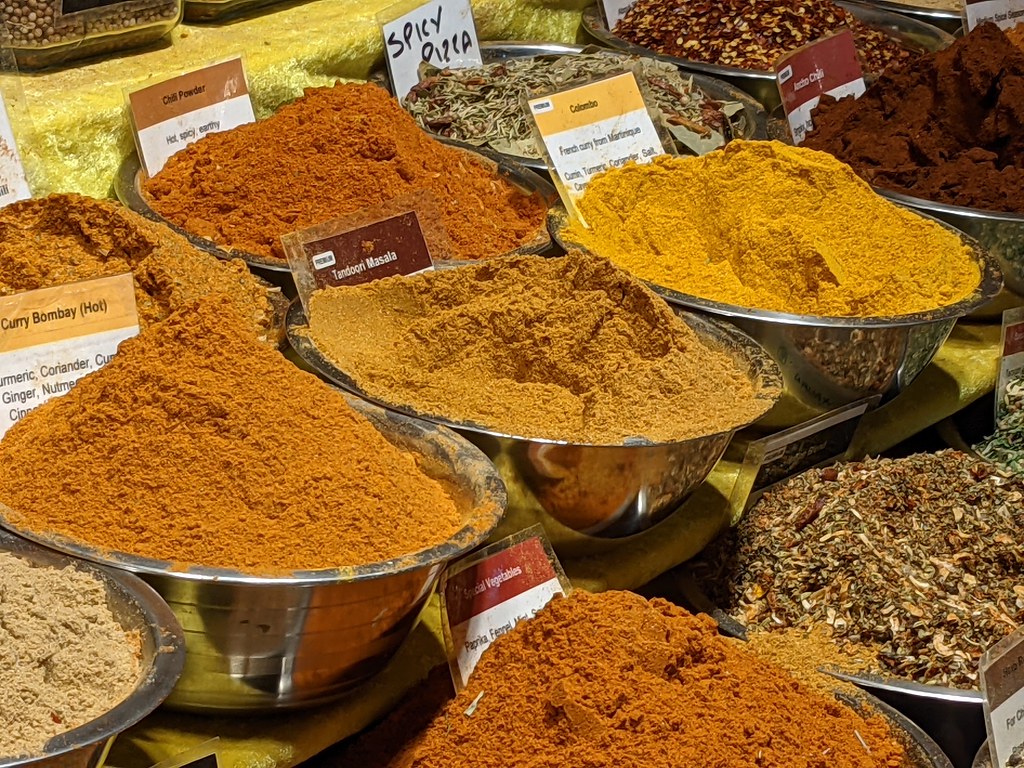
Why baking ingredients work as a team
One of the easiest mistakes in baking is treating each ingredient like an isolated checkbox. In real life, the ingredients are in a little argument with each other the entire time. Flour wants structure. Sugar wants tenderness and browning. Eggs want to bind, emulsify, and set. Fat wants to keep the crumb soft. Liquid wants everything hydrated. Leaveners want to make bubbles. Heat wants to lock the whole thing in place before the gas escapes. That is the entire show.
This is why a recipe can be precise without being fragile. A well-built formula gives each ingredient a job, and the job changes depending on whether you are making bread, muffins, cookies, sponge cake, or a rich loaf. The trick is not just knowing what ingredients are in the bowl. The trick is knowing what each one is trying to do while the oven is doing its dramatic entrance.
The main ingredients and what they do
| Ingredient | Main job | Too much can cause | Too little can cause | Practical habit |
|---|---|---|---|---|
| Flour | Builds structure through starch and protein | Dry, tough, dense bakes | Weak structure, collapse, spread | Weigh it when possible |
| Sugar | Adds sweetness, tenderness, browning, moisture | Overbrowning, collapse, stickiness | Flat flavor, dry crumb, pale color | Measure carefully and note the type |
| Eggs | Bind, emulsify, add richness, help rise | Rubbery texture, eggy flavor | Crumbly, weak, or poorly set bakes | Use the size the recipe expects |
| Fat | Shortens gluten and keeps texture tender | Greasy or heavy results | Tough, dry, less flavorful bakes | Keep butter and oil choices intentional |
| Liquid | Hydrates flour and helps reactions happen | Runny batter, spread, gummy centers | Dry batter, poor mixing, rough crumb | Add gradually and stop when the texture is right |
| Leaveners | Create gas that lifts the batter or dough | Soapy taste, collapse, big tunnels | Flat, heavy, tight crumb | Check freshness and measure exactly |
| Salt and flavorings | Sharpen flavor and keep sweetness from tasting blunt | Over-salted batter | Flabby, dull flavor | Do not skip salt unless the recipe truly says so |
Flour: the skeleton of the bake
Flour is the frame that everything else hangs on. It contains starch, and often protein, which together help a baked item hold shape. When liquid is added and the mixture is stirred or kneaded, those proteins can form gluten. You can read more about the structure side of that in Gluten, which is why bread dough behaves differently from cake batter. Bread usually wants strength and chew. Cake usually wants a softer, more delicate result.
The type of flour matters too. Cake flour has less protein and usually makes a finer crumb. All-purpose flour is the middle child that can work in a lot of jobs. Bread flour has more protein, which helps with a stronger structure and more chew. The moment you swap one flour for another, you are not making a tiny tweak. You are moving the whole architecture.
One practical rule: if a recipe says to spoon and level flour, do that. If you scoop directly with the measuring cup, you can pack in much more flour than intended. That extra flour is often the difference between a tender cake and one that eats like a polite brick.
Sugar: not just sweetness, but texture management
Sugar is often treated like the decorative part of baking, but it is doing far more than adding sweetness. It attracts moisture, slows gluten development, helps with caramelization, and promotes browning. In other words, sugar is the friend who shows up late but somehow made the whole event look intentional. A useful overview of the ingredient itself is the Sugar entry, but in the kitchen the main point is simple: sugar changes both flavor and structure.
Too much sugar can make baked goods spread, sink, or brown too fast. Too little can leave a product pale, dry, and blunt. Brown sugar adds a bit more moisture and a deeper flavor because of its molasses content, while granulated sugar tends to give a cleaner sweetness and a drier texture. That difference matters in cookies, muffins, and quick breads where texture can swing from “perfect” to “why is this sticky puzzle piece?” very quickly.
Eggs: the multitaskers
Eggs are the classic kitchen overachievers. They bind ingredients together, help emulsify fats and liquids, add richness, and set as they cook. In many recipes, they are both a structural ingredient and a flavor ingredient. Separate the yolk and white and you also separate duties: yolks bring fat and emulsifiers; whites bring protein and structure. That is why meringues and custards have such different personalities.
If you use too few eggs, the bake may be crumbly or weak. If you use too many, the texture can become rubbery or overly firm. It also matters whether the recipe calls for room-temperature eggs. Cold eggs can make butter-based batters seize up and mix unevenly. They are not trying to ruin your afternoon. They are just being unhelpfully dramatic.
Fat: the tenderness lever
Butter, oil, shortening, and other fats soften the final crumb by coating flour particles and limiting how much gluten can develop. That is why fat is often described as making a bake more tender. Butter adds flavor and can contribute to texture through its water content. Oil usually creates a moister crumb because it stays liquid at room temperature. Shortening can make a very soft texture, though it does not bring the same flavor as butter.
The tradeoff is important: more fat can mean a richer mouthfeel, but too much can make a cake greasy or leave cookies too flat. Less fat can make bread sturdier, but it can also make a cake taste like a resolution instead of dessert. For bakers, fat is a dial, not a decoration.
Liquid: the thing that makes the whole mix move
Milk, water, cream, juice, coffee, buttermilk, and other liquids all hydrate flour and help ingredients combine. Liquid is also what gives leaveners something to react with and what lets starch gelatinize in the oven. Without enough liquid, ingredients stay stubborn and dry. With too much, the batter loses structure and may need longer baking time or a different formula entirely.
The type of liquid can matter as much as the amount. Buttermilk adds tang and can react with baking soda. Milk adds protein, lactose, and richness. Water is neutral and lets other flavors lead. Coffee deepens chocolate flavor in brownies and cakes without making the result taste like your morning commute. That is a very good trade.
Leaveners: the rise department
Leavening agents are the ingredients that create gas and help batter or dough rise. The most common are baking soda and baking powder. Baking soda needs an acid to work well, so recipes with yogurt, buttermilk, vinegar, citrus, or brown sugar often use it. Baking powder already contains both acid and base components, so it can create lift on its own once hydrated and heated. For a broader definition, the leavening agent overview is a tidy reference point.
Freshness matters here. Old baking powder loses power, and old baking soda can leave a stale odor behind instead of a clean rise. If a recipe depends on lift and the leavener is tired, the final bake often ends up dense and disappointed. Always measure carefully. More leavener does not mean more magic. It often means a strange aftertaste and a weirdly open crumb that looks like it is trying too hard.
Salt and flavorings: the quiet essentials
Salt does more than make things salty. It sharpens flavor, balances sweetness, and keeps rich ingredients from tasting flat. Vanilla, citrus zest, cocoa, spices, and extracts all play supporting roles that make the main ingredients read clearly. A cake without enough salt can taste sugary but vague, like a sentence with all the verbs removed. That is legal, but not ideal.
For home bakers, one of the easiest upgrades is to respect the tiny ingredients. A pinch of salt, a careful splash of vanilla, or a fresh zest can move a recipe from acceptable to memorable. These are not garnish details. They are the small switches that turn the lights on.
How the ingredients change each other
The interesting part of baking science is not just what each ingredient does alone. It is how they change each other. Sugar slows gluten, so cakes stay more tender than bread. Fat coats flour, which reduces toughness. Eggs help emulsify butter and liquid, so batter stays smooth instead of separating into a tiny disaster. Liquids activate leaveners. Salt strengthens gluten slightly and balances sweetness. When people say a recipe is “balanced,” they mean the ingredients are cooperating instead of wrestling in public.
This is why substitutions can be tricky. Replacing butter with oil changes flavor and texture. Swapping all-purpose flour for almond flour changes structure and moisture behavior. Cutting sugar changes sweetness, browning, and often the final crumb. Baking is very forgiving when you understand the rules. It is less forgiving when you freestyle and call it innovation.
Common baking mistakes
- Measuring flour by volume without checking the method. Scooping directly can pack in too much flour. Weighing is better, and spooning and leveling is the next best thing.
- Ignoring ingredient temperature. Cold butter and eggs can break emulsions or mix unevenly. Recipes often mention room temperature for a reason.
- Overmixing the batter. Too much mixing develops too much gluten in cakes, muffins, and quick breads. That can make them tough.
- Using old leaveners. Expired baking powder or baking soda can leave you with flat results and no useful explanation besides betrayal.
- Swapping ingredients without adjusting the formula. Different flours, fats, and sweeteners behave differently. A one-for-one swap is not always a victory lap.
- Opening the oven too early. Heat loss can collapse delicate bakes before they set. The oven door is not a suggestion box.
A practical way to think about any recipe
When I read a baking recipe, I like to ask five fast questions:
- What ingredient builds structure?
- What ingredient adds tenderness?
- What ingredient creates lift?
- What ingredient adds moisture?
- What ingredient keeps the flavor from going flat?
If you can answer those five questions, the recipe stops feeling like a mystery scroll. You can also spot trouble before it shows up in the oven. For example, if a recipe has a lot of sugar and fat but not much structure, it will probably be tender and spread more. If it has a lot of flour and not enough liquid, it may be dry. If the leavener is weak, the result may be dense. That is not guesswork; that is ingredient logic.
For bakers who test recipes often, keeping notes matters. Write down the flour brand, the pan size, the oven temperature, the mixing method, and the exact changes you made. Small notes save future headaches. They also turn every bake into a useful experiment instead of a tasty coin flip.
For readers who like a quick recap
- Flour builds the structure.
- Sugar sweetens, browns, and softens.
- Eggs bind, enrich, and help set the crumb.
- Fat keeps the result tender.
- Liquid hydrates and activates the formula.
- Leaveners create rise.
- Salt makes everything taste more like itself.
If you remember only one thing, remember this: baking is not just about mixing ingredients. It is about assigning each ingredient a job and not letting any one of them take over the meeting.
Conclusion: bake with fewer surprises
The best bakers are not always the ones who use the fanciest ingredients. They are the ones who understand what each ingredient is doing and why. Once you start looking at flour, sugar, eggs, fat, liquid, and leaveners as a team, you can troubleshoot bad results faster and improve good recipes with a lighter touch. You will know when a cake needs tenderness, when a bread needs strength, and when a cookie recipe is asking for more browning or less spread.
If you want more practical food guides, start at the Home page, browse the Blog index for more kitchen explainers, or check the Services page if you are looking for the site’s broader support and workflow information. And if your baking life has become a mini production line with spreadsheets, batch notes, and too many little decisions, a neutral resource like figure out where AI fits can help a business decide which parts of a workflow should be automated and which should stay human. The kitchen may be messy, but the logic does not have to be.
Key takeaway: better baking comes from understanding ingredients as systems, not just as a shopping list. Once that clicks, the rest is mostly practice, patience, and not opening the oven every three minutes to negotiate with the cake.