Exploring Global Cuisines: A Culinary Journey
Exploring global cuisines is one of the easiest ways to understand how people live, trade, celebrate, and solve the everyday problem of dinner.
When I sit down with a topic like this, I usually want four clear answers: What makes one cuisine different from another? Which dishes are the best first tries? What ingredients carry the flavor? And how do I cook the food without flattening the culture behind it? Julia Child put the point simply: “People who love to eat are always the best people.”
That curiosity matters because cuisine is never just a list of recipes. It is history in motion. A useful place to start is Britannica’s overview of cuisine, which shows how food traditions develop from place, technique, and social life. UNESCO’s heritage listings add another layer: they show that dishes can carry ritual, memory, and identity, not just ingredients. The point is not that every dish is sacred. The point is that food often carries more than taste.
In this guide, I’ll walk through what global cuisines are, highlight a few traditions worth knowing, explain what popular dishes teach us, and end with a practical way to start cooking from other parts of the world at home. If you want the broader site map while you read, you can start at the Home page, move through the Blog, or see the site’s purpose on the About page.
What global cuisine really means
Global cuisine is not a grand ranking of the “best” foods in the world. It is the practice of noticing how different places solve the same basic tasks: feeding people, preserving ingredients, balancing flavor, and making a meal feel like part of a life rather than a standalone performance. A cuisine can be defined by climate, trade routes, religious practice, migration, colonization, local crops, or simple necessity. In reality, it is usually all of those at once.
I like to think of cuisine as a set of decisions made visible. Which fat is common? Which herbs matter? Is the food built around grains, noodles, rice, flatbreads, or roots? Is sweetness expected in a savory dish? Is sourness central, or only a finish? Those choices are what make a meal feel local. They also explain why the same ingredient can behave differently from one kitchen to the next.
That is why a world food journey gets more interesting when it moves beyond “favorite dish” lists. The better question is: what logic sits underneath the dish? Once you can see the logic, you can cook more thoughtfully, eat more respectfully, and make better substitutions when your pantry is not a perfect match.
- Staples tell you what a region can grow, trade for, or preserve.
- Seasoning tells you what flavors are valued and how people balance richness.
- Technique tells you whether a cuisine leans on steaming, braising, grilling, fermenting, frying, or raw preparation.
- Dining customs tell you whether food is casual, ceremonial, shared, or highly structured.
For a compact definition of how food and culture intersect, the UNESCO listings for traditional Mexican cuisine and washoku are especially useful. They show two very different food cultures, but both make the same larger point: a cuisine is a system, not a single recipe.
A quick visual tour of flavor building blocks
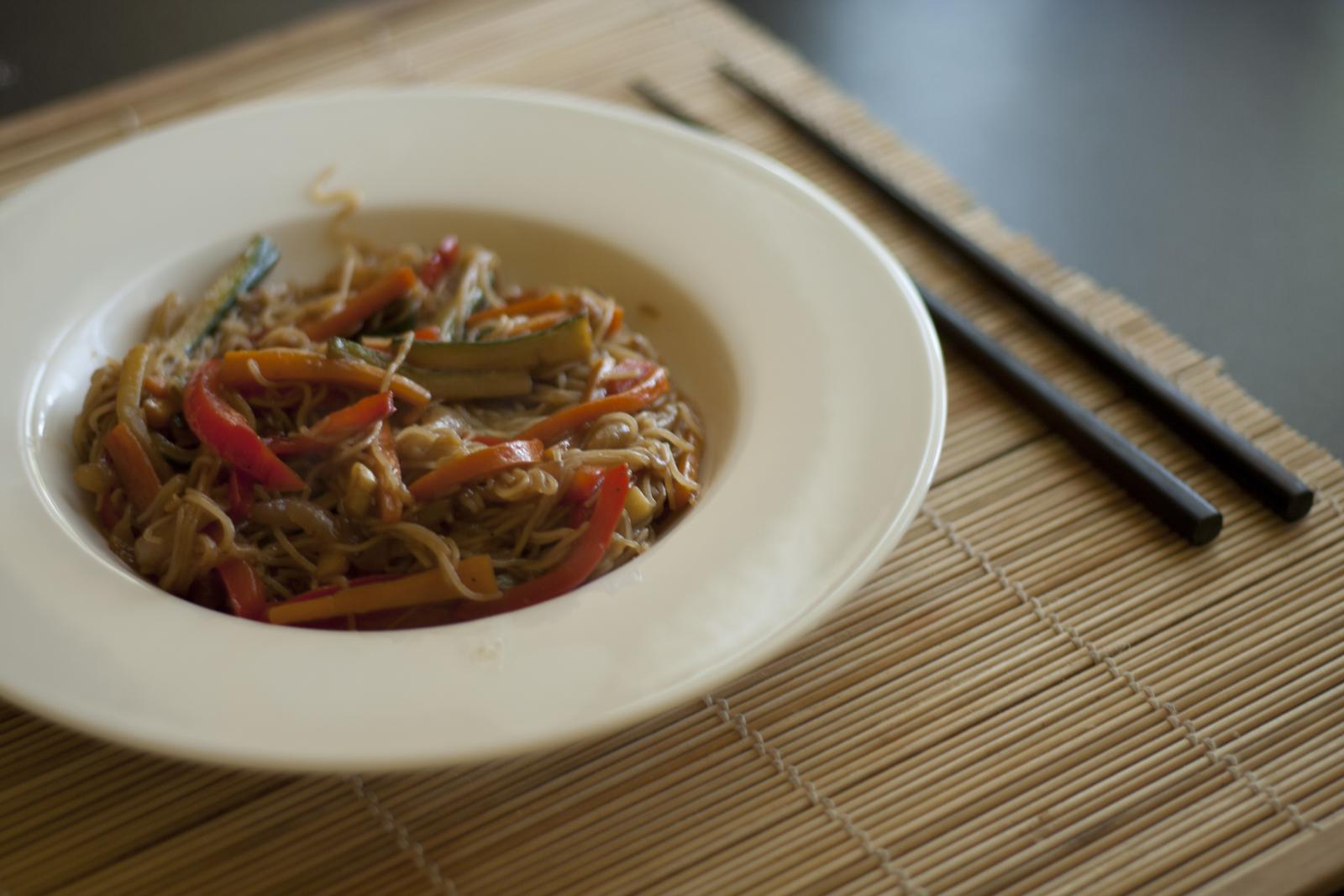
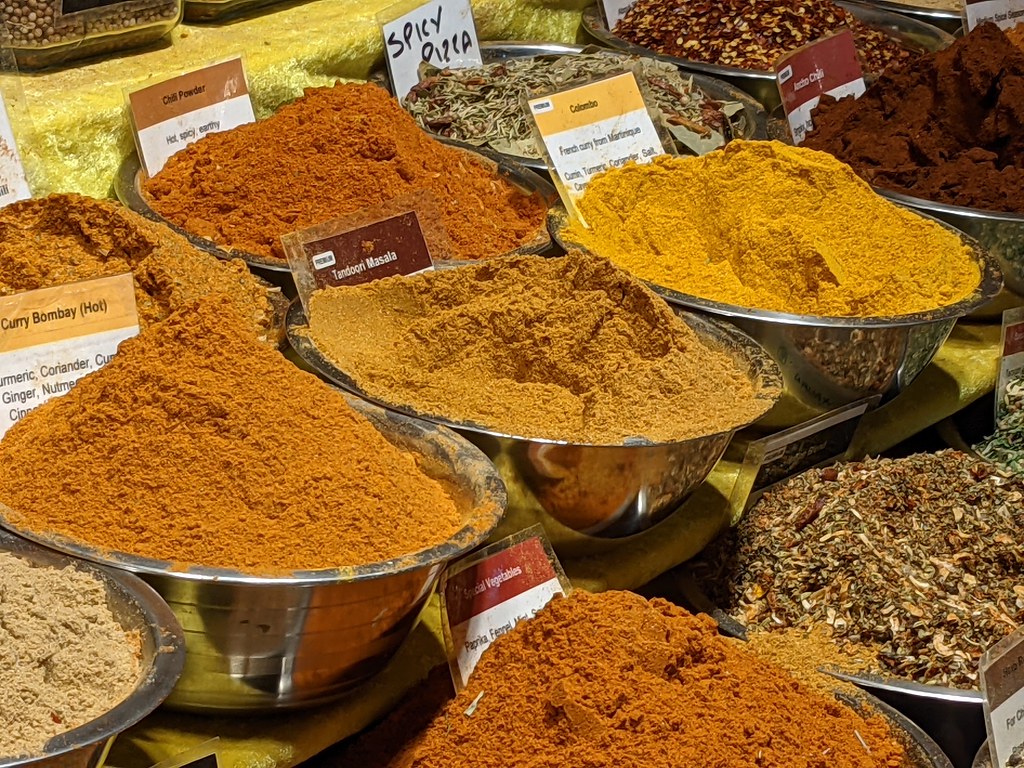
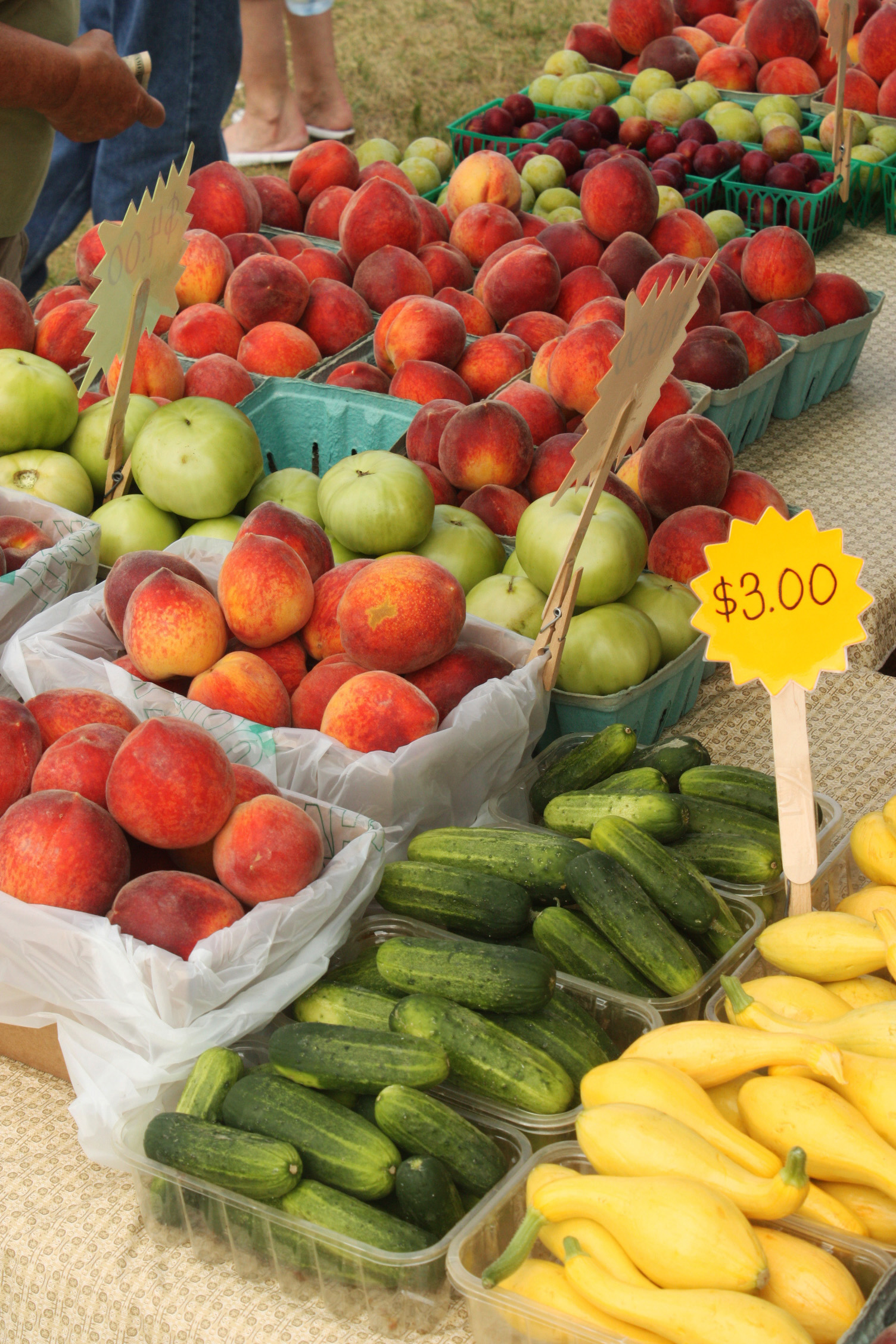
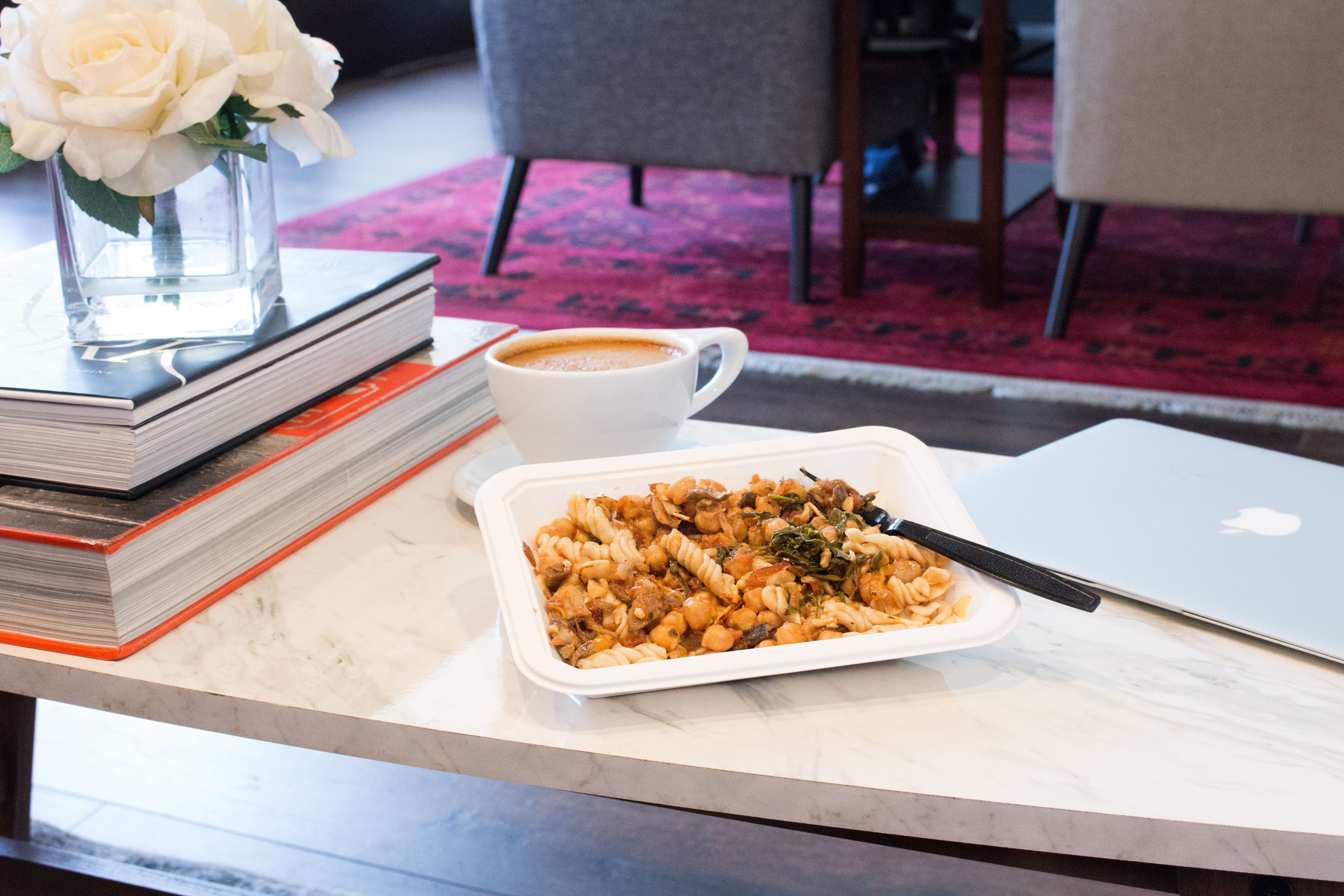
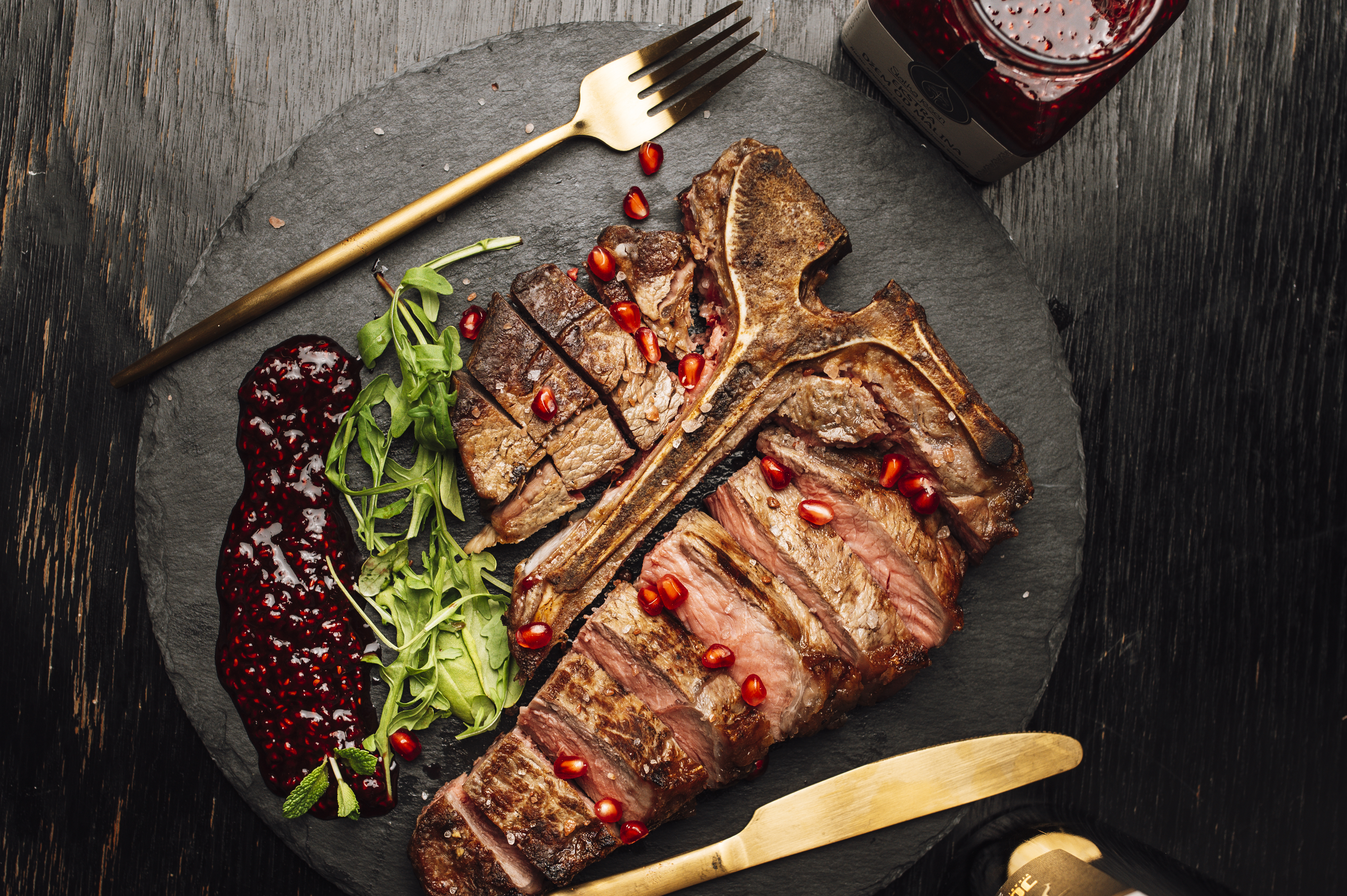
Before we move into specific cuisines, it helps to step back and look at the visual grammar of food. The collage below is not meant to be a strict map of geography. It is a reminder that global cooking is made from different kinds of abundance: noodles, spices, produce, and plated mains. The ingredients change, but the idea is the same. Every cuisine turns ordinary things into a pattern people recognize as home.
|
|
|
|
If you are building your own cooking habit, this is the point where comparison helps. A spice market, a meal-prep box, a farmers market stall, and a restaurant plate are not the same thing, but they all show how a culture organizes taste. Some cuisines begin with dry spices. Some begin with fresh herbs and produce. Some begin with careful prep. Some begin with presentation. The details matter more than the label.
Ten cuisines worth exploring first
There are hundreds of regional food traditions worth learning, but if you are starting from scratch, I find it useful to begin with cuisines that are both widely loved and easy to study through their basic techniques. Each one teaches a different lesson. None of them should be reduced to a single “signature dish,” because that is how real food traditions get flattened into souvenir versions of themselves.
- Mexican cuisine. Mexican cooking teaches the power of corn, chili, tomato, beans, and layered seasoning. It also shows how regional identity matters: coastal, highland, northern, and southern dishes can look very different. UNESCO recognizes traditional Mexican cuisine as part of the world’s cultural heritage, which is a reminder that this is a living system, not a museum label.
- Japanese washoku. Washoku is a lesson in balance, seasonality, and restraint. Dashi, rice, pickles, grilled fish, and seasonal vegetables create meals that feel measured rather than crowded. UNESCO’s washoku listing is useful because it ties food directly to celebration, season, and household memory.
- Mediterranean cooking. If you want to understand how olive oil, tomatoes, legumes, herbs, grains, and seafood can form an entire food world, start here. The UNESCO listing for the Mediterranean diet is especially helpful because it shows how food culture connects to social rituals, local landscapes, and shared meals.
- Indian regional cooking. “Indian cuisine” is too broad to be one thing, which is exactly why it is valuable. Different regions emphasize rice, breads, lentils, yogurt, spices, coconut, mustard oil, or ghee in different proportions. The lesson is not just flavor. It is that the same pantry idea can split into many traditions.
- Thai cooking. Thai food is a master class in sweet, sour, salty, and spicy balance. Coconut milk, herbs, chilies, lime, fish sauce, and aromatic pastes work together instead of competing. Beginners often learn from Thai dishes that balance is a skill, not an accident.
- Chinese regional cooking. Chinese food is best understood as a family of regional cuisines, not a single national style. Sichuan, Cantonese, Hunan, Jiangsu, and many others use heat, texture, steam, fermentation, and wok cooking differently. That diversity is the real lesson.
- Levantine cooking. Hummus, tahini, lentils, grilled meats, flatbreads, herbs, and bright salads show how a cuisine can be both humble and generous. This is one of the best places to learn how acid, fat, and freshness keep a plate lively.
- Ethiopian cuisine. Injera, stews, legumes, and spice blends create a communal style of eating that feels distinct at the table as well as on the tongue. Ethiopian food is a reminder that the serving method can be part of the cuisine itself.
- Italian regional cooking. Italy is another example of a place where “the cuisine” is really a collection of regions. Simple pasta shapes, sauces, cured meats, cheese, bread, and vegetables can tell very different stories depending on where they are made. The principle here is that simplicity can still be highly specific.
- Peruvian cooking. Peru is one of the clearest examples of a cuisine shaped by geography, migration, and adaptation. Coastal seafood, Andean grains, native potatoes, Chinese influence, and Japanese influence all appear in the country’s food culture. It is a reminder that cuisines move.
I do not treat that list as a ranking. It is a study path. If you learn one cuisine well, you begin to see how others work. If you learn several, the connections get clearer: acid balances fat, aroma lifts starch, heat can be direct or layered, and technique often matters more than ingredient count.
Popular dishes and what their origins teach us
Popular dishes are useful because they are the entry doors people actually walk through. They are also risky, because a dish can become so famous that its origin gets simplified into a stereotype. The better approach is to use well-known dishes as starting points, then ask what they reveal about the place they came from.
| Dish | Where it comes from | What it teaches a home cook |
|---|---|---|
| Tacos | Mexico, with many regional forms | How a flexible base can carry endless fillings, salsas, and textures |
| Sushi | Japan, especially in its modern forms | How precision, rice seasoning, and ingredient quality create clarity |
| Biryani | South Asia, with regional variations across India and beyond | How layering, aroma, and long cooking create depth without heaviness |
| Pho | Vietnam | How broth, herbs, noodles, and freshness can build a meal around balance |
| Couscous | North Africa | How grains, vegetables, and slow-cooked sauces can form a complete table |
| Paella | Spain, especially the Valencian tradition | How rice absorbs flavor while still keeping its structure |
| Ramen | Japan, with roots and influences from wider noodle traditions | How broth, noodles, fat, and toppings work together as a layered experience |
| Falafel with tahini | Levant and surrounding food cultures | How legumes, herbs, and sauce can create a complete plant-based meal |
The lesson in that table is simple. A dish is not only a recipe. It is a method, a rhythm, and often a solution to local conditions. Taco fillings shift by region and occasion. Ramen can be delicate or rich. Biryani can be festive or everyday. Pho can feel like a breakfast, lunch, or late-night meal depending on where you are. The story changes when you look beyond the headline version of the dish.
That is also where travel and home cooking start to overlap. You do not need to board a plane to think more carefully about food. You only need to ask which part of the dish does the cultural work: the broth, the dough, the spice paste, the pickled garnish, the broth, the grain, or the ceremony around serving it.
The cuisines that most often teach beginners something useful
Mexican cuisine: layering, not just heat
People who are new to Mexican food often think first of chilies. Chilies matter, of course, but Mexican cooking is larger than spice heat. It is about corn in many forms, beans in many forms, tomatoes, herbs, dried chilies, and a constant interplay between freshness and depth. The UNESCO listing for traditional Mexican cuisine is worth reading because it frames cuisine as community knowledge, not just a list of dishes.
For a beginner, the useful takeaway is that a salsa is not a garnish if it changes the whole character of the meal. Nor is a tortilla just a wrapper. Both carry flavor, structure, and memory. If you want to learn from Mexican cuisine, start by noticing how one meal can move between roasted, fresh, acidic, and smoky notes without losing balance.
Washoku: seasonality and restraint
Washoku is the food tradition I point to when someone asks what “elegance” means in cooking. It does not mean expensive ingredients or a complicated plate. It means clarity. Seasonality matters. Knife work matters. Broth matters. Presentation matters, but not as decoration alone. The UNESCO listing for washoku captures that relationship between food, season, and ritual very well.
What beginners can borrow here is not a copy of the cuisine’s identity, but its discipline. Choose one or two ingredients and make them taste like themselves. Use seasoning to support, not bury. Let texture do some of the work. A bowl can feel complete even when the list of ingredients looks short.
The Mediterranean diet: ordinary ingredients, strong identity
The Mediterranean diet is often discussed in health terms, but it is also a cultural pattern. The UNESCO page on the Mediterranean diet shows that food here is connected to harvests, family meals, local produce, and shared practice. That matters because the cuisine is not built on one superstar ingredient. It is built on repeatable combinations that people return to for generations.
The practical lesson is friendly: if you have olive oil, tomatoes, legumes, herbs, grains, and a few good vegetables, you can already cook in a Mediterranean style without pretending every dish has to be a restaurant copy. The cuisine teaches confidence through repetition. It also teaches that simple food can still be deeply local.
Indian regional cooking: the power of variation
Indian cooking is probably the clearest example of why a broad label can hide more than it reveals. North, south, east, west, coastal, inland, vegetarian, meat-based, festival food, street food, home food: the range is enormous. Yet the cuisine remains coherent because the logic of spice, fat, acidity, grain, and technique is so well developed.
For a curious cook, the lesson is not to master “Indian food” as a single bucket. It is to study one regional dish at a time and ask what each spice is doing. Which ingredients are toasted? Which are ground fresh? Which are added first, and which are saved for the end? Once you understand the order, the cuisine becomes less mysterious.
How to cook international dishes without flattening them
Cooking from another cuisine is easiest when you stop trying to fake expertise and start trying to understand structure. That means one recipe at a time, one technique at a time, and one honest note at a time. I like a simple rule: learn the dish, then learn the logic, then adapt only after you know what matters most.
- Start with one source recipe from the cuisine itself. Not every version needs to be translated through a dozen other interpretations. If possible, read from a cook, publication, or community voice that treats the food as normal, not exotic.
- Identify the non-negotiables. In some dishes, the broth is the soul. In others, it is the spice paste, the rice, the acid, or the texture of the dough. Do not improvise before you know which part is carrying the identity.
- Make substitutions on purpose. If you cannot source a specific herb or chile, decide what role it plays before choosing a replacement. “Closest available” is not the same as “randomly similar.”
- Cook the full dish once before trimming it down. The first version teaches you what matters. Later versions can be simpler, but the first one should be faithful enough to give you a baseline.
- Taste in layers. Salt, acid, fat, sweetness, and heat should be checked at different stages. Many cuisines rely on the timing of seasoning as much as the ingredients themselves.
This is also where a little organization helps. For cooks who like to keep recipes, substitutions, tasting notes, and shopping lists in one place, a neutral web app generator can be a practical starting point for sketching a simple recipe-tracking workflow without building every screen by hand. The point is not the tool. The point is to make your learning visible enough that you can improve it.
One more habit makes a surprising difference: keep notes on how a dish changes after resting. Some cuisines are sharper when fresh. Others deepen overnight. Some become better only after a broth settles, a curry matures, or a grain absorbs the sauce. Learning cuisine means learning time as much as ingredients.
A simple pantry map for world cooking
If you want to cook more globally without turning your kitchen into a storage puzzle, build around functions rather than around brand names. I find this much easier than chasing every new jar that appears on social media. The categories below can support many cuisines once you know how they behave.
| Pantry role | Examples | Why it matters |
|---|---|---|
| Aromatics | Onion, garlic, ginger, scallions, lemongrass | They build the first layer of flavor in soups, stews, stir-fries, and sauces |
| Acid | Lemon, lime, vinegar, tamarind, tomato, yogurt | Acid wakes up heavy dishes and keeps rich flavors from feeling flat |
| Heat | Fresh chilies, dried chilies, chili oil, pepper flakes | Heat can sharpen, warm, or deepen a dish depending on when it is added |
| Herbs | Cilantro, parsley, basil, mint, dill, curry leaves | Fresh herbs often signal regional identity more strongly than a long spice list |
| Starch | Rice, noodles, flatbreads, potatoes, couscous, polenta | Starch is often the canvas that carries sauce, broth, and texture |
| Fermented or cured accents | Soy sauce, miso, fish sauce, olives, pickles, preserved lemon | These ingredients bring depth, salt, and complexity in very small amounts |
The pantry map is useful because it shifts your attention from “What exact recipe am I trying to copy?” to “What role does each ingredient play?” That change sounds small. It is not. It is the difference between cookbook mimicry and actual understanding.
What I watch for when I try a new cuisine
When I try a new cuisine, I do not begin with the most complicated dish. I begin with the clues. The first clue is always the ingredient list. The second is the cooking method. The third is the serving style. A cuisine starts making sense when those three things line up.
- Ingredient list: Are the flavors built from fresh herbs, dried spice, fermented sauce, or slow-cooked sweetness?
- Cooking method: Is the dish steamed, grilled, fried, braised, simmered, or assembled raw?
- Serving style: Is it shared from a common dish, plated individually, wrapped, dipped, or sipped as broth?
- Texture range: Is the appeal in crunch, softness, chew, silkiness, or contrast?
- Balance: Does the dish rely on one dominant note, or on a conversation between several?
If you keep asking those questions, you start to see the patterns that make world food feel coherent. The result is not just better cooking. It is better reading. Recipes become easier to interpret. Restaurant menus become less opaque. And you become less likely to treat a cuisine as a novelty item that only exists for the sake of surprise.
That is the deeper value of exploring global cuisines. It makes you a more careful eater. More importantly, it makes you a more careful observer. You begin to notice when a dish is simplified too much, when a “fusion” idea ignores the original structure, or when a recipe teaches you something real because it respects the method instead of only the presentation.
Conclusion: begin with one dish and one question
You do not need to master the whole world to start learning from it. Pick one cuisine. Pick one dish. Ask what the ingredients are doing, what the technique is protecting, and what the serving style says about the meal. Then cook it once with attention and once with patience. Those two passes will usually teach more than a dozen vague “world food” lists.
If I had to reduce the whole journey to a practical note, it would be this: the best way to explore global cuisines is to treat them as living systems. That means respecting the roots, noticing the variations, and learning the logic before improvising. The world is large enough to keep you busy for years, which is fortunate. A kitchen needs a little horizon.
For more food writing and practical guides, browse the Blog, return to the Home page when you want the full site view, or read the About page to understand how the site is organized.