The Ultimate Guide to Cooking with Spices
Spices can make a simple meal feel brighter, warmer, deeper, or more comforting, and you do not need a crowded cabinet to start using them well.
If cooking with spices has ever felt a little uncertain, that is normal. A jar can smell wonderful in the pantry and still leave you wondering when to use it, how much to add, or whether it belongs in sweet dishes, savory dishes, or both.
This guide keeps things practical. You will learn what different spices bring to the table, how to store them so they stay useful, and a few reliable cooking techniques that make everyday meals taste more intentional. If you want a quick refresher on the broad definition of a spice, it helps to think of spices as concentrated flavor tools: small ingredients that can change the direction of a dish without changing the whole shopping list.
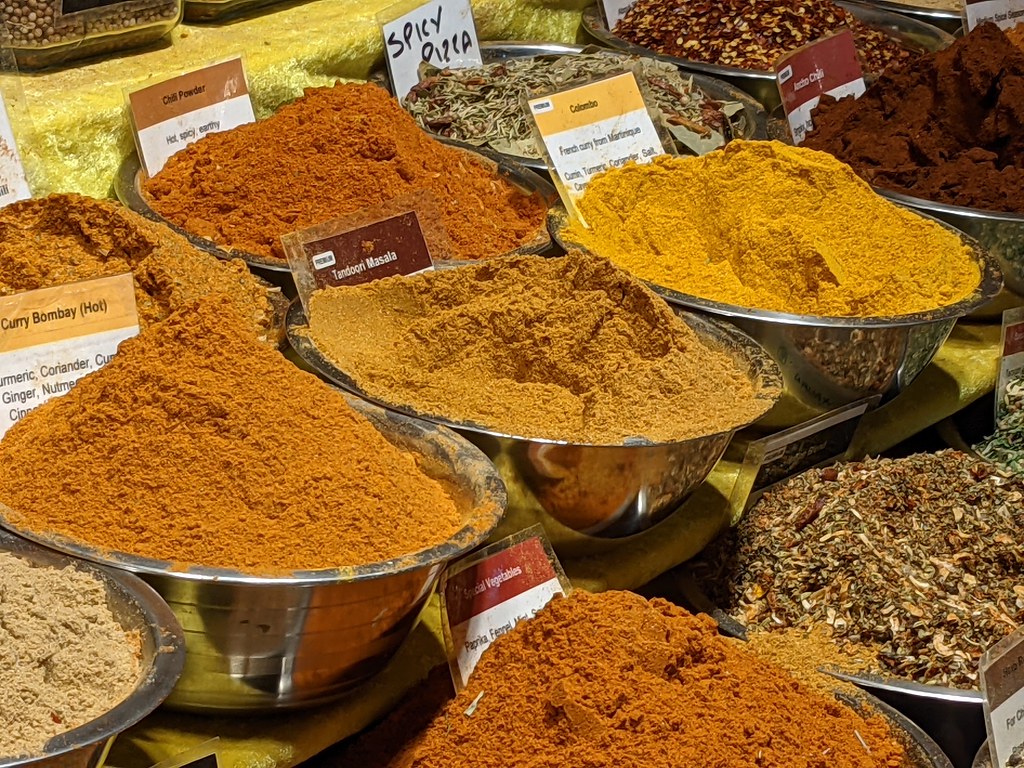
Why spices matter in everyday cooking
Salt makes food taste more like itself, but spices help shape the personality of the dish. They can add warmth, brightness, smokiness, bitterness, sweetness, freshness, or gentle heat. Even a familiar dinner can feel different with one small shift: cinnamon in oatmeal, coriander in roasted vegetables, cumin in lentils, or paprika in scrambled eggs.
A helpful starting point is to ask one simple question: what feeling do I want from this meal? Comforting foods often lean toward warm and earthy spices. Lighter dishes may benefit from citrusy, peppery, or floral notes. When you think in that direction, choosing a spice becomes less about memorizing rules and more about matching flavor to mood.
Common types of spices and the flavors they bring
Not every spice needs its own spotlight on day one. A small working group is usually enough. The table below gives you a starting map.
| Spice | Flavor profile | Good first uses |
|---|---|---|
| Cumin | Earthy, nutty, slightly warm | Lentils, beans, roasted carrots, chili, rice dishes |
| Paprika | Sweet, smoky, or mildly peppery depending on style | Eggs, potatoes, chicken rubs, stews |
| Turmeric | Earthy, slightly bitter, golden and grounding | Rice, soups, curries, braised vegetables |
| Cardamom | Floral, citrusy, warm, slightly sweet | Tea, rice pudding, baked goods, creamy sauces |
| Cinnamon | Sweet, woody, warm | Oatmeal, apples, tagines, tomato sauces with depth |
| Black pepper | Sharp, piney, gently spicy | Almost anything savory, especially soups and pasta |
If you are building confidence, start by pairing one spice with one ingredient you already cook often. That tends to work better than trying five new jars in one recipe and then not knowing which one carried the flavor.
How to store spices so they keep their flavor
Spices do not need complicated storage, but they do need a little protection. Heat, light, air, and moisture slowly weaken their aroma. That does not mean a spice becomes unsafe the moment it gets old. It usually means it becomes quieter, and you end up adding more without getting much back.
- Keep spices in a cool, dry cupboard. A shelf away from the oven is usually better than a rack directly above the stove.
- Close jars tightly after each use. Steam from a pot can shorten the life of ground spices faster than people expect.
- Buy smaller amounts if you cook occasionally. A half-full fresh jar is often more useful than a full jar that sits for two years.
- Label whole spices and blends clearly. It saves the small frustration of opening three similar jars just to find the one you need.
- Trust your senses. If a spice smells faint, dusty, or flat, it may still be usable, but it is unlikely to give you the result you want.
Whole spices generally hold flavor longer than ground ones because less surface area is exposed to air. If you cook regularly with warm mixed spice blends, buying a modest amount and replacing it as needed is usually better than trying to make one large jar last indefinitely.
Cooking techniques that help spices shine
This is the part that changes results quickly. The spice itself matters, but the timing matters just as much.
1. Bloom ground spices in oil
Adding ground spices to warm oil for 20 to 30 seconds can wake up their aroma before the rest of the liquid ingredients go in. This works especially well with cumin, turmeric, paprika, and curry-style blends. Keep the heat moderate and stay nearby, because burned spices turn bitter in a hurry.
2. Toast whole spices briefly
Whole cumin seeds, mustard seeds, coriander seeds, and fennel seeds often become more fragrant after a short toast in a dry pan. You are looking for aroma, not dark color. Once they smell lively, take them off the heat so they do not cross into bitterness.
3. Layer spices instead of adding everything at once
Some spices do their best work early, especially those that benefit from oil and heat. Others are helpful near the end, when you want freshness or a finishing note. A pinch of black pepper or a small spoonful of a warm spice blend at the finish can make the dish feel fuller without tasting heavy.
4. Match intensity to the ingredient
Delicate foods such as eggs, yogurt sauces, or white fish can be overwhelmed by aggressive spice blends. Hearty foods such as chickpeas, lamb, root vegetables, mushrooms, and tomato-based stews usually handle bold spices more comfortably. If this happens, the next step is not to give up on the spice. It is to reduce the amount and try it with a sturdier ingredient.
Simple recipe ideas to practice with
You do not need a special project meal to learn spices. These combinations are approachable and forgiving:
- Roasted carrots with cumin and honey: Toss carrots with oil, cumin, salt, and a little honey before roasting.
- Turmeric rice: Cook rice with a small amount of turmeric, onion, and black pepper for a warm side dish.
- Cinnamon tomato lentils: Add a pinch of cinnamon to lentils simmered with tomatoes for gentle depth rather than sweetness.
- Cardamom yogurt fruit bowl: Stir a pinch of cardamom into plain yogurt with fruit and nuts.
- Paprika potatoes: Roast potato wedges with paprika, garlic, and olive oil for an easy weeknight side.
If you are unsure where to start, choose one recipe idea and repeat it once or twice. Familiar repetition is often how a spice stops feeling mysterious and starts feeling useful.
Final thought
Cooking with spices does not need to be dramatic to be rewarding. A few jars, a little attention to storage, and one or two reliable techniques will already take you a long way. The goal is not to build the most impressive spice shelf. The goal is to make dinner feel easier to guide.
If you want more practical kitchen reading, visit the home page, browse the latest posts on the blog, or learn more about the site on the About page. You can also keep exploring everyday cooking questions with our guide to cake sizes and servings and our tips for making stir-fried cheung fun taste better.