Seasonal Cooking: How to Use Seasonal Ingredients
Seasonal cooking makes everyday meals feel more grounded, more flavorful, and usually a little easier on the budget, which is exactly why it is worth learning one practical step at a time.
Many readers start with the same sensible questions: What does “in season” actually mean in daily cooking? How can you tell whether produce is worth buying right now? Where should you shop if you want better flavor without turning errands into a second job? And what do you cook first when your basket is suddenly full of tomatoes, greens, squash, or apples? Julia Child once said, “You don’t have to cook fancy or complicated masterpieces,” and seasonal cooking follows that same calm logic: start with good ingredients, then keep the cooking clear and honest.
The reason this matters is straightforward. Produce that is harvested close to its natural peak often tastes better, stores better, and gives you more flexibility in the kitchen. Harvard T.H. Chan School of Public Health notes that vegetables and fruits are linked to long-term health benefits, while the USDA seasonal produce guide helps shoppers understand what tends to be abundant throughout the year. The problem is not usually lack of interest. It is friction: people want to cook well, but they need a simpler way to decide what to buy, how to store it, and what to make before it goes soft in the crisper drawer.
By the end of this guide, you will know what seasonal cooking means, why it can improve flavor and variety, how to source produce with less guesswork, and how to turn spring, summer, autumn, and winter ingredients into simple meals. If you would like more practical food reading after this, you can return to the home page, browse the latest blog posts, or use the contact page to suggest another everyday cooking topic.
What seasonal cooking means
Seasonal cooking means planning meals around ingredients that are naturally abundant during a particular time of year. That does not require a strict rulebook, and it certainly does not mean you can never cook with frozen peas in autumn or canned tomatoes in winter. It simply means the season leads the menu more often than habit does.
I find that this approach becomes much less intimidating once the basic terms are clear:
- Seasonal produce: fruits and vegetables that are being harvested around the current time of year in a broad regional sense.
- Peak season: the period when an ingredient is often at its best for flavor, texture, and availability.
- Local produce: food grown relatively near the place where it is sold. Local and seasonal often overlap, but they are not identical.
- Storage crop: produce such as onions, potatoes, winter squash, and apples that can be kept for longer periods after harvest.
- Preserved seasonal food: ingredients that were frozen, canned, dried, or fermented when they were abundant, then used later.
The important point is this: seasonal cooking is a flexible kitchen habit, not a purity contest. If a supermarket has decent asparagus in spring, frozen corn in February, and canned beans all year long, you can use all of them. The goal is not perfection. The goal is to let the season do more of the planning for you.
Why seasonal ingredients are worth using
There are practical reasons cooks return to seasonal produce again and again. Some are about taste, some about cost, and some about making weeknight decisions easier.
1. Flavor is usually the first reward
When an ingredient is in season, it is often easier to find it in better condition. Strawberries that smell like strawberries, tomatoes that actually taste sweet and bright, and winter squash with dense, rich flesh do not need much help from the cook. A little salt, a hot pan, or a quick roast can be enough.
This is one of the quiet gifts of seasonal cooking: when the ingredient is doing more work, the recipe can do less. That is helpful on busy evenings, especially when you need dinner to feel nourishing without becoming a production.
2. Shopping becomes more intuitive
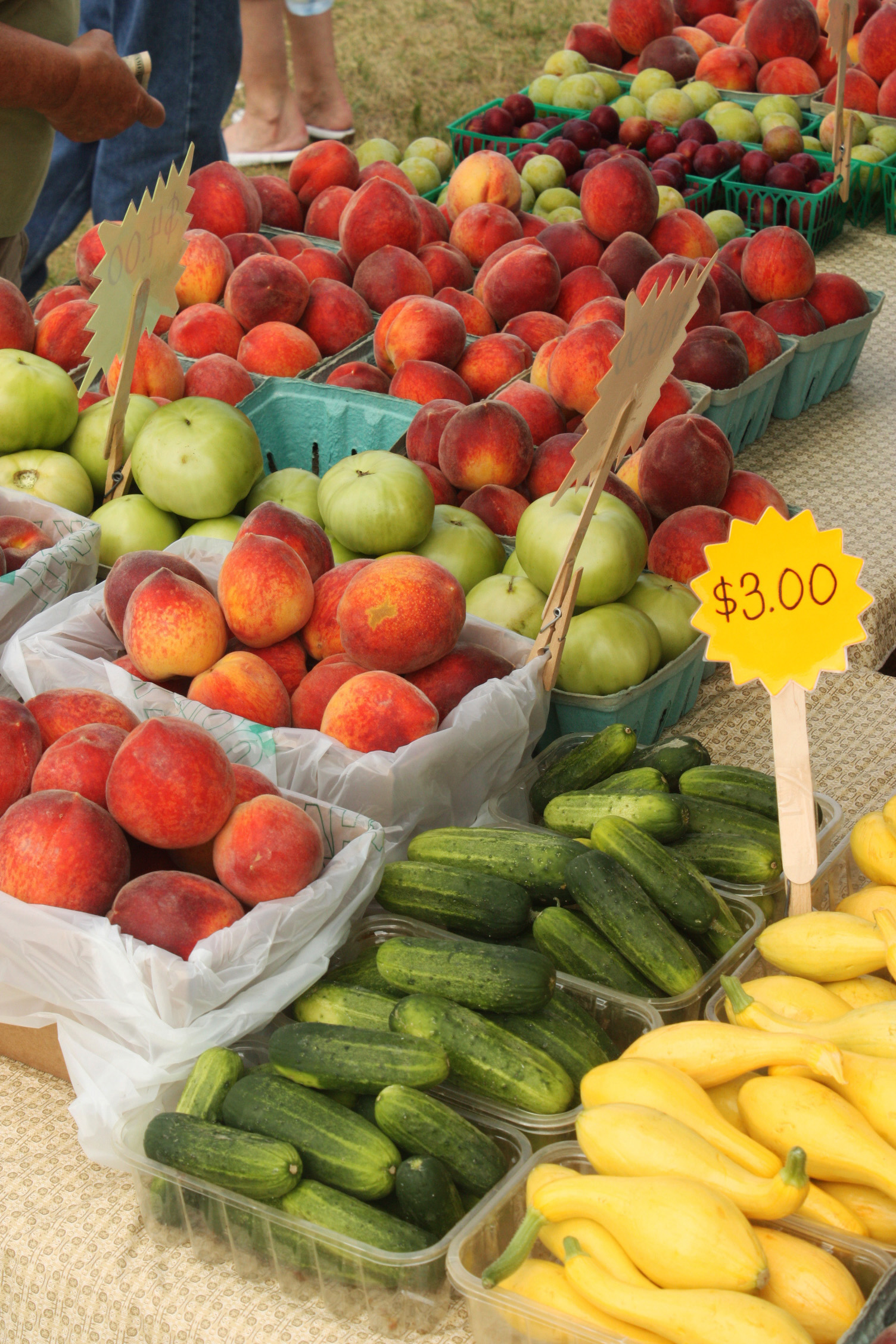
Many people feel stuck because recipe planning starts with an empty page. Seasonal shopping gives you a narrower, friendlier starting point. If the market is full of peaches, green beans, cucumbers, and basil, you already have the outline of a meal. If the produce section is dominated by citrus, cabbage, carrots, and hardy greens, winter has already handed you a different plan.
For readers who like structure, the Seasonal Food Guide can be a helpful reference point when you want to compare ingredients by month.
3. Seasonal abundance can ease food costs
Prices vary by store and region, but ingredients that are more plentiful often become easier to buy in useful quantities. That is when you can roast two trays of vegetables instead of one, cook extra soup for tomorrow, or freeze berries before they drift back into “special occasion” pricing.
This is also where boundaries help. Not every seasonal item is automatically cheap, and not every out-of-season item is automatically a bad buy. The better question is: what looks fresh, what is priced fairly, and what can I realistically cook this week?
4. Variety improves almost by accident
One of the most practical benefits of seasonal cooking is that it gently pushes you out of repetition. Instead of eating the same rotation every month, you begin to notice new rhythms: asparagus and herbs in spring, tomatoes and stone fruit in summer, mushrooms and squash in autumn, citrus and root vegetables in winter. That natural variation can make home cooking feel less stale without demanding constant culinary reinvention.
5. Nutrition tends to follow consistency
Harvard’s Nutrition Source encourages people to build meals around vegetables and fruits as a steady habit, not an occasional project. Seasonal cooking supports that habit because it makes produce easier to enjoy in the first place. Harvard’s overview of vegetables and fruits is useful here: the long-term value comes from eating a varied mix regularly, and regularity is much easier when ingredients are appetizing, familiar, and simple to cook.
A quick seasonal produce map
The exact timing changes by climate, but this table offers a practical starting point for common ingredients and easy uses.
| Season | Ingredients to look for | What they do well | Easy first recipe |
|---|---|---|---|
| Spring | Asparagus, peas, spinach, radishes, herbs, strawberries | Quick sautés, fresh salads, light soups | Lemony asparagus and peas with pasta |
| Summer | Tomatoes, zucchini, corn, cucumbers, peaches, berries, basil | Raw salads, grilling, roasting, simple sauces | Tomato, corn, and basil skillet supper |
| Autumn | Winter squash, mushrooms, apples, cabbage, beets, pears | Roasting, braising, soups, sheet-pan meals | Roasted squash bowl with greens and grains |
| Winter | Citrus, carrots, potatoes, onions, kale, leeks, cauliflower | Stews, tray bakes, slaws, hearty soups | Carrot, leek, and white bean soup |
If you are just starting, choose one ingredient and one technique. For example: spring asparagus plus roasting, summer tomatoes plus a quick pan sauce, autumn squash plus sheet-pan cooking, or winter citrus plus salad dressing. This keeps the learning curve friendly and makes it easier to repeat what works.
How to source seasonal produce without making shopping complicated
Good seasonal cooking begins before the pan is hot. The sourcing step matters because it determines whether you come home with ingredients that are inspiring or ingredients that need rescuing.
Farmers markets: useful when you want visual clues
Farmers markets are one of the simplest places to understand seasonality because abundance is visible. When several stalls are piled with tomatoes, melons, beans, or pumpkins, the season is speaking quite clearly. You do not need expert-level produce knowledge to notice what is arriving in quantity.
If you want to locate markets near you, the USDA farmers market directory is a practical place to start. Once you are there, ask short, concrete questions: What came in today? What is especially good this week? How would you cook this if you wanted the easiest version? Most vendors appreciate that kind of directness.
What to expect at a market: you may find excellent produce, but not necessarily every ingredient on your list. That is not a flaw. It is part of the exercise. Build part of the meal around what is strongest there, then fill the remaining gaps elsewhere.
Grocery stores: still useful for seasonal cooking
You do not need a weekly market routine to cook seasonally. Grocery stores can work very well if you shop with a seasonal eye. Look for displays that are full, bright, and clearly being replenished. Smell what can be smelled. Check texture gently. Notice whether an ingredient appears in several places at once, such as by the entrance, in the produce aisle, and near meal kits or promotional displays. That often signals the ingredient is broadly available and moving quickly.
For families managing time, this is usually the most sustainable approach: buy the best seasonal produce you can from your regular store, then build two or three meals around it before the week gets away from you.
Community-supported agriculture and produce boxes
CSA boxes and subscription produce deliveries can be helpful if you want the season to choose for you. They also come with a clear warning label of sorts: you need a plan. A box full of chard, turnips, zucchini, herbs, and peaches is lovely, but only if you are prepared to cook, store, or share it quickly.
I usually recommend a simple rule here: on the day the produce arrives, decide which items are for eating raw, which are for cooking first, and which should be washed, chopped, or blanched before the week gets busy. That ten-minute sorting session saves a surprising amount of waste.
Frozen, canned, and dried ingredients still belong in a seasonal kitchen
Seasonal cooking does not end when fresh produce leaves the field. Frozen peas, canned tomatoes, dried beans, and jarred peaches can be sensible companions to fresh ingredients. In fact, they often help you stretch a seasonal theme into an easy weeknight meal.
Examples:
- Fresh spring spinach plus frozen peas in a soup.
- Summer zucchini plus pantry chickpeas in a skillet dinner.
- Autumn squash plus canned lentils in a warm grain bowl.
- Winter kale plus canned tomatoes in a braise.
This is worth saying plainly because many home cooks worry they are “doing it wrong.” You are not. The point is to let fresh seasonal ingredients lead, while pantry staples make the meal practical.
Four simple seasonal meal ideas
The easiest way to build confidence is to pair each season with one dependable meal pattern. These are not rigid recipes. Think of them as templates you can repeat with small changes.
Spring: lemony pasta with asparagus, peas, and herbs
Spring ingredients tend to be tender and quick-cooking, so this is a season for lighter pans and shorter cooking times.
How it works: boil pasta, sauté asparagus in olive oil, stir in peas, add lemon zest and a splash of pasta water, then fold in chopped herbs and grated cheese. The result is bright, comforting, and ready before the evening loses patience with you.
Useful variation: swap pasta for rice or white beans if you want something a little heartier.
Summer: tomato, corn, and basil skillet supper
Summer produce asks for restraint. Tomatoes, sweet corn, basil, zucchini, peppers, and peaches usually shine with minimal cooking.
How it works: cut corn from the cob, soften sliced zucchini or onion in a skillet, stir in chopped tomatoes, then finish with basil, black pepper, and a spoonful of butter or olive oil. Serve it over toast, rice, polenta, or grilled chicken.
Why this meal helps: it uses several seasonal ingredients at once, which is one of the smartest ways to keep the refrigerator from filling with half-used produce.
Autumn: roasted squash bowl with greens, grains, and a tangy dressing
Autumn is generous in a quieter way. This is the season of dense vegetables, earthy flavors, and meals that feel steady rather than flashy.
How it works: roast cubed squash until tender, toss it with cooked grains, wilted greens, nuts or seeds, and a mustard vinaigrette, then add a soft cheese or beans if you want extra richness. The bowl is filling, but the structure is forgiving enough to use whatever is already on hand.
Useful variation: add apples or pears for sweetness, or mushrooms for more savory depth.
Winter: carrot, leek, and white bean soup
Winter seasonal cooking often depends on ingredients that store well and develop sweetness through slow cooking.
How it works: cook leeks, carrots, and onions slowly in olive oil, add garlic, beans, and stock, then simmer until the vegetables soften and the broth becomes rounder and richer. Finish with lemon, herbs, or a spoonful of yogurt if you want brightness.
Why this meal works: it is built from ingredients that are usually easy to find, relatively sturdy in storage, and kind to tired cooks at the end of the day.
A one-week seasonal cooking plan for beginners
If you want to try this without overhauling your entire kitchen routine, use a seven-day experiment:
- Choose one seasonally strong ingredient. Pick something obvious and appealing, like tomatoes in summer or squash in autumn.
- Buy enough for two meals, not five. This keeps the experiment affordable and manageable.
- Cook it two different ways. Roast it once, use it raw once, or build one dinner and one lunch around it.
- Store it with intention. Wash herbs, wrap greens, and keep delicate fruit where you will actually see it.
- Use one pantry anchor. Beans, eggs, pasta, rice, or yogurt keep the meal from becoming overly precious.
- Make one note for next time. Was the ingredient worth the price? Did it keep well? Would you buy more next week or less?
- Repeat with one new ingredient. Confidence grows faster when you expand gradually.
This kind of measured start matters. People often abandon seasonal cooking because they try to transform every meal at once. A smaller plan is kinder and usually more successful.
Common mistakes and how to avoid them
Buying for fantasy energy instead of real energy
It is easy to come home with ambitious produce and weekday capacity that does not match. If you know Tuesday is long and Thursday is tired, buy ingredients that can survive until Saturday or choose one recipe that can be cooked in stages.
Ignoring storage
Fresh food needs a next step. Before you put groceries away, ask: what should stay on the counter, what should be refrigerated, and what should be prepped now? Even small actions like trimming herbs, drying greens, or storing berries properly can extend usefulness.
Using too many ingredients at once
Seasonal cooking is usually strongest when the ingredient list gets shorter, not longer. One or two star vegetables plus a reliable base often tastes clearer than a pan crowded with every good intention from the market.
Expecting perfect seasonality all year
Climate, budget, work schedules, and access all shape what is realistic. If you can cook with the season more often, that is already meaningful. There is no prize for making food shopping harder than it needs to be.
Conclusion: let the season make the first decision
Seasonal cooking works because it reduces friction. Instead of asking the kitchen to solve everything from scratch, you let the time of year suggest the strongest ingredients, the easiest techniques, and the meals most likely to satisfy. That is not a trend. It is a durable way to cook with more clarity.
Before you plan your next week of meals, try this simple next step: choose one ingredient that looks especially fresh right now, build two meals around it, and pay attention to how much easier the cooking feels when the season is doing some of the work.
Key takeaways:
- Seasonal ingredients often need less intervention because their flavor and texture are already doing more of the job.
- Shopping improves when you follow abundance instead of forcing the same meal plan through every month.
- Simple meal templates beat complicated recipes when you are learning how to cook with the season.
- Pantry staples still belong because they make seasonal ingredients easier to turn into real dinners.
If this guide helped, the next step is easy: keep exploring the blog for more kitchen ideas, revisit the homepage for featured articles, or reach out through the contact page if there is a recipe or everyday food topic you would like to see covered next.