Understanding Food Myths: What’s True and What’s Not?
Food myths usually sound helpful because they promise a simple rule, but everyday eating rarely works well as a one-rule system.
If you have ever wondered whether carbs are always bad, brown eggs are somehow better, frozen vegetables are less nutritious, or a quick cleanse can “reset” everything, you are in good company. These ideas travel fast because they are tidy, memorable, and easy to repeat.
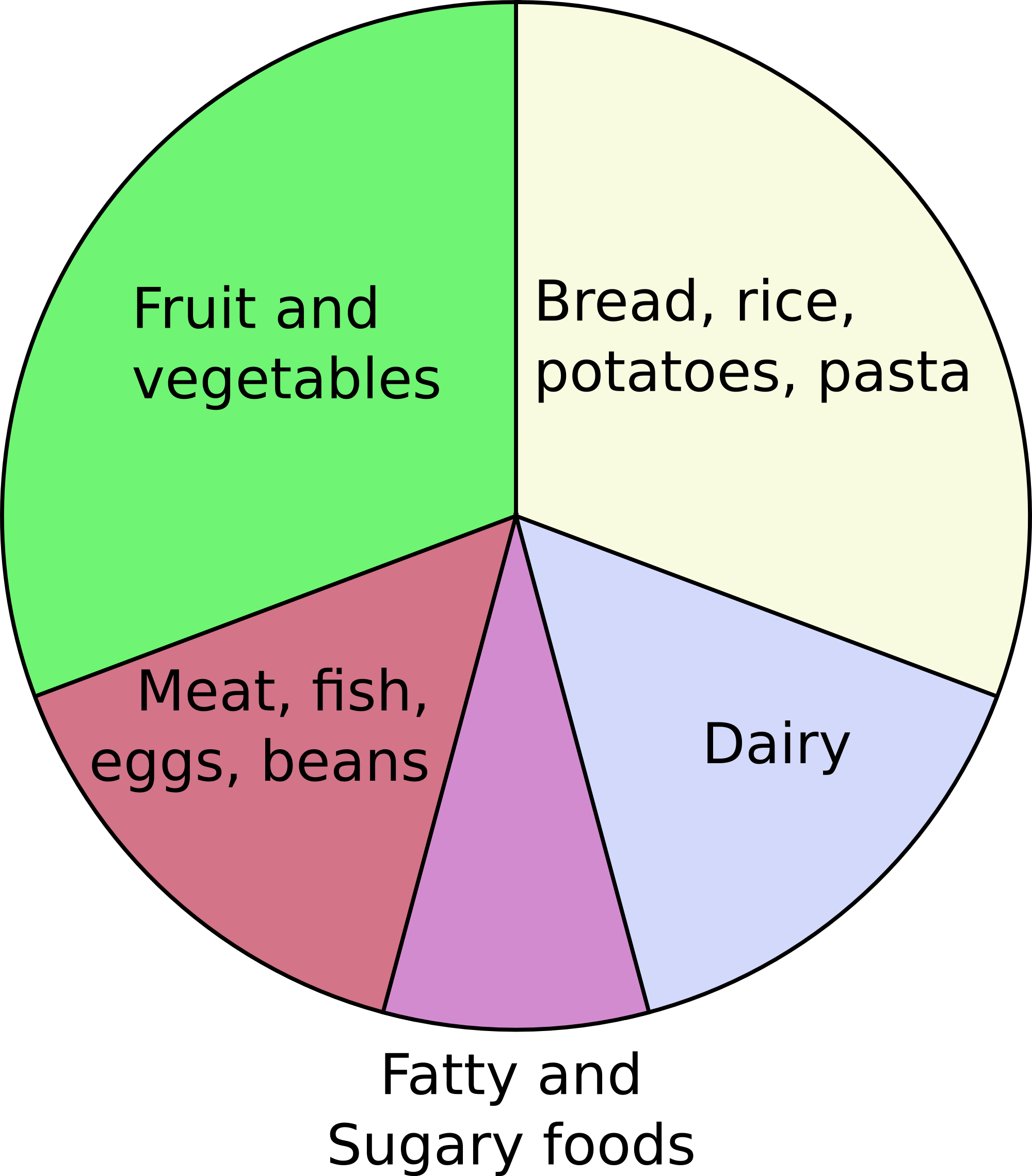
The problem is that tidy advice can create unnecessary stress around meals. That is why it helps to return to steady, practical guidance from resources such as the NHS Eat Well hub and Harvard’s Healthy Eating Plate, both of which focus on overall patterns rather than miracle foods or fear-based rules.
In this guide, you will find a calm walkthrough of common food myths, what is closer to the truth, and what to do next if a claim leaves you unsure. The goal is not perfection. The goal is to make everyday choices feel clearer and more manageable.
Why food myths stick around
Most food myths contain a grain of truth wrapped in a much bigger claim. A person might feel more energetic after eating fewer ultra-processed snacks, and that experience turns into “all carbs are bad.” Someone might read a label once, notice a difference in price, and assume the more expensive item must also be healthier. Before long, a guess starts behaving like a rule.
That is why context matters. Nutrition is usually about patterns: what you eat most often, how much variety you get, how food fits your schedule, and whether your choices are realistic enough to repeat. A dramatic claim can be exciting, but a steady routine is what usually carries the real value.
It also helps to remember that food advice can spread for reasons that have nothing to do with health. Trends sell books, videos, products, and supplements. Simpler messages also perform better on social media, even when they leave out the part that actually matters.
6 common food myths and what is closer to true
1. Myth: Carbs are bad for everyone
This is one of the most durable food myths because it sounds decisive. In practice, the better question is: what kind of carbohydrate are we talking about, and what is it replacing?
Whole grains, beans, fruit, potatoes, and oats do not behave the same way as heavily sweetened drinks or pastries. A bowl of oatmeal with fruit is very different from a dessert sold as breakfast. Cutting every carbohydrate source can make meals harder to sustain and may remove foods that also provide fiber, vitamins, and energy.
A more useful approach is to notice quality and balance. Pairing carbohydrates with protein, healthy fats, or fiber often makes meals more satisfying. For example, toast with eggs, rice with vegetables and tofu, or yogurt with fruit and nuts tends to work better in real life than trying to avoid an entire food group.
2. Myth: Brown eggs are healthier than white eggs
Brown eggs often look more rustic, and they can cost more, which makes the myth feel believable. But shell color mainly reflects the breed of the hen, not a built-in nutrition upgrade.
There can be some variation in eggs based on what hens are fed and how they are raised, but brown does not automatically mean better. If you are comparing eggs, check the label for the information that actually matters to you, such as size, freshness, enrichment, or production method.
In everyday terms, choosing eggs based on freshness, storage, budget, and how you like to cook them will usually help more than treating shell color as a health verdict.
3. Myth: Fresh produce is always more nutritious than frozen
Fresh produce is wonderful when it is ripe, affordable, and likely to be used before it spoils. But “fresh” is not automatically superior. Some fruits and vegetables lose nutrients over time in storage and transport, while plain frozen produce is often processed close to harvest.
The Academy of Nutrition and Dietetics notes that frozen foods can be convenient and nutritious, especially when you choose options without heavy sauces, extra sugar, or excess sodium. This matters for busy households because the healthiest produce is often the produce you will actually cook and eat.
If a bag of frozen spinach helps you add greens to soup, noodles, or eggs on a busy evening, that is a practical win. If fresh berries fit your week better, that is fine too. You do not need a purity contest in your freezer drawer.
4. Myth: Juice cleanses and detox diets clean out your body
This myth is powerful because it borrows the language of repair. After a stretch of takeout, travel, or celebration meals, a reset can sound comforting. But the body already has systems for processing and removing waste. Extreme plans that promise to “flush toxins” are often selling a story much more than a proven result.
The National Center for Complementary and Integrative Health notes that research on detoxes and cleanses is limited and often low quality. That does not mean every lighter meal is pointless. It means a restrictive cleanse is not the same thing as healthy recovery.
If you want to feel better after a heavy week, a steadier next step is usually more useful: drink water, return to regular meals, include fruit or vegetables, add protein, and get enough sleep. Gentle consistency is less glamorous than a three-day cleanse, but it is kinder to your routine and often easier to maintain.
5. Myth: Skipping breakfast ruins your health for everyone
Breakfast has earned a dramatic reputation. For some people, eating in the morning helps with energy, focus, mood, or later appetite control. For others, a later first meal feels more natural. The truth is less dramatic than the slogan.
What matters most is the overall pattern of eating that supports your day. If you skip breakfast and end up shaky, distracted, and ravenous by noon, then breakfast is probably useful for you. If you prefer a later meal but still eat balanced foods across the day, that can also be workable.
The practical test is not whether you followed a popular rule. It is whether your routine helps you function well, meet your needs, and avoid the cycle of under-eating early and overcorrecting later.
6. Myth: Raw milk is always more natural and therefore better
Natural is a persuasive word, but it does not automatically mean safer. Raw milk supporters sometimes frame pasteurization as unnecessary processing, yet food safety is part of nutrition too.
The U.S. Food and Drug Administration’s review of raw milk misconceptions and risks explains that pasteurization kills harmful pathogens without a meaningful loss of nutritional value that would justify the safety tradeoff. That distinction matters especially for children, older adults, pregnant people, and anyone with a weaker immune system.
If a food claim leans heavily on the word “natural,” it is worth pausing. Sometimes the next step is not to ask whether something sounds pure. It is to ask whether it is practical, supported, and safe.
A quick reality-check table
| Myth | What is closer to true | A useful next step |
|---|---|---|
| All carbs are bad | Type, amount, and meal balance matter more than blanket avoidance. | Swap refined, low-fiber options more often than banning all carbohydrate foods. |
| Brown eggs are healthier | Shell color mainly reflects the hen breed. | Check freshness and label details instead of using color as a shortcut. |
| Frozen produce is inferior | Plain frozen produce can be highly nutritious and very practical. | Keep one or two frozen staples on hand for busy days. |
| A cleanse fixes everything | Regular meals and overall habits matter more than short restriction. | Return to balanced meals, hydration, and sleep. |
| Everyone must eat breakfast | Needs vary by person, schedule, and appetite. | Track how you feel and build a routine that you can repeat. |
| Raw milk is automatically better | Food safety matters, and pasteurization reduces serious risk. | Choose safety over trend language. |
How to judge a food claim before you change your routine
- Check whether the claim sounds absolute. Words such as “always,” “never,” and “everyone” usually signal that nuance has gone missing.
- Look for the real comparison. A food is not good or bad in a vacuum. Ask what it is being compared with and in what amount.
- Separate short-term feelings from long-term evidence. A quick change can feel noticeable without being a reliable rule for everyone.
- Notice whether a product is being sold with the advice. That does not make the claim false, but it should make you more careful.
- Stay alert to your own context. Allergies, diabetes, digestive conditions, and other medical needs can change what is sensible for you. In those cases, personalized advice matters more than trend content.
Sensible habits that beat food myths
You do not need to memorize every nutrition debate to eat more confidently. A few steady habits do a lot of work:
- Build most meals around foods you recognize and enjoy.
- Add produce in the form that fits your week: fresh, frozen, canned, or dried.
- Include protein and fiber often enough that meals keep you going.
- Let convenience help you instead of treating it like failure.
- Be wary of dramatic fixes that ask you to fear ordinary food.
That kind of approach will not win a flashy headline, but it is more likely to survive a busy schedule, a tight budget, and a normal human appetite.
Final thought
When food advice starts to feel louder than useful, come back to the basics. A balanced routine usually beats a dramatic promise. If a claim makes you feel rushed, guilty, or oddly impressed by its certainty, that is often a good moment to slow down and check the evidence.
If you enjoy practical everyday guides, you can return to the home page, browse more posts on the blog, or keep reading through our recommended articles. For more kitchen-friendly reading, the site also covers everyday questions such as how many people a 6-inch cake can serve and simple cooking tips like how to make stir-fried cheung fun taste better.