Why Food Heritage Is Trending in 2026: How Traditional Cuisines Connect Culture, Health, and Sustainability
Why Food Heritage Is Trending in 2026: How Traditional Cuisines Connect Culture, Health, and Sustainability
Food heritage is having a very sensible comeback. In 2026, more readers are asking a simple question: why do traditional cuisines matter now, beyond nostalgia and the occasional “my grandmother did it better” argument?
The short answer is that food is never just food. It carries memory, place, technique, and community. UNESCO has increasingly described foodways as living heritage, not museum pieces, and FAO’s 2026 Sustainable Gastronomy Day theme, “Celebrating Food Heritage”, puts the spotlight on the same idea: traditional cuisines can help us think about culture, local ingredients, and everyday cooking in a more grounded way.

What food heritage actually means
When people say food heritage, they usually mean the recipes, techniques, ingredients, and customs that a community passes down over time. That can include everything from a family stew to a regional festival dish to the way a market stall prepares breakfast before sunrise.
UNESCO’s recent coverage of food and intangible heritage explains this well: cuisines become heritage when they are practiced, shared, and adapted by real people. You can read more in UNESCO Courier’s overview of food and intangible heritage and UNESCO’s update on foodways as living heritage.
That matters because heritage is not only about preserving a fixed recipe card. It is about continuity with room for change. No one is winning medals for freezing the peas in 1897 forever.
Why the topic is trending now
Food heritage is trending in 2026 for a few practical reasons:
- People want meaning in everyday choices. Cooking at home is not just a budget move; it can also be a way to feel connected to family, region, or identity.
- Local ingredients matter more. Traditional cuisines often grew around what was available nearby, which makes them relevant to sustainability conversations today.
- Healthy diets are still a global concern. The WHO’s 2026 materials on food security and nutrition remind us that access, affordability, and dietary quality remain uneven in many places.
- There is less patience for food as pure spectacle. People want recipes that work, not a plate that looks like it has a PR team.
That is why the conversation is shifting from “what is trendy on social media?” to “what makes a cuisine worth keeping alive?”
How UNESCO and FAO frame traditional cuisines
UNESCO treats foodways as part of intangible cultural heritage: the skills, rituals, knowledge, and social habits that make a cuisine more than a dish. FAO’s Sustainable Gastronomy work pushes a related message. Traditional cuisines can support sustainable agrifood systems when they encourage seasonal produce, local biodiversity, and less waste.
If you want the official framing, the FAO announcement for Sustainable Gastronomy Day 2026 is a useful starting point. For broader nutrition context, the WHO’s State of Food Security and Nutrition in the World 2026 offers the bigger picture around access and healthy diets.
Examples of food traditions that stay distinctive
Across the world, food heritage shows up in different ways. Some traditions are defined by technique, some by ingredients, and some by the rhythm of the meal itself.
| Tradition style | What makes it distinctive | What a home cook can learn from it |
|---|---|---|
| Fermented foods | Patience, preservation, depth of flavor | Use time, salt, and temperature carefully |
| Market-based cooking | Seasonal ingredients and flexible menus | Cook what looks best today, not what a trend list told you to buy |
| Family-style meals | Sharing, pacing, and social connection | Think about the table as a social space, not just a delivery point for calories |
| Festival dishes | Celebration, ritual, and community memory | Ask what role the dish plays in the event, not just how it tastes |
The point is not to rank cuisines like a reality show judging panel. It is to notice how each tradition teaches something useful about ingredients, labor, and community identity.
How food heritage connects culture, health, and sustainability
Culture comes first. Traditional dishes often hold memory for families and communities. They can mark holidays, greetings, and shared routines that make a place feel like home.
Health enters the picture carefully. We should avoid pretending that every traditional dish is automatically nutritious. But many cuisines do offer patterns worth noticing: more vegetables, smaller portions of meat, beans and grains, careful seasoning, and less reliance on ultra-processed foods. That does not make any cuisine perfect. It just means there is often practical wisdom embedded in the habit of cooking.
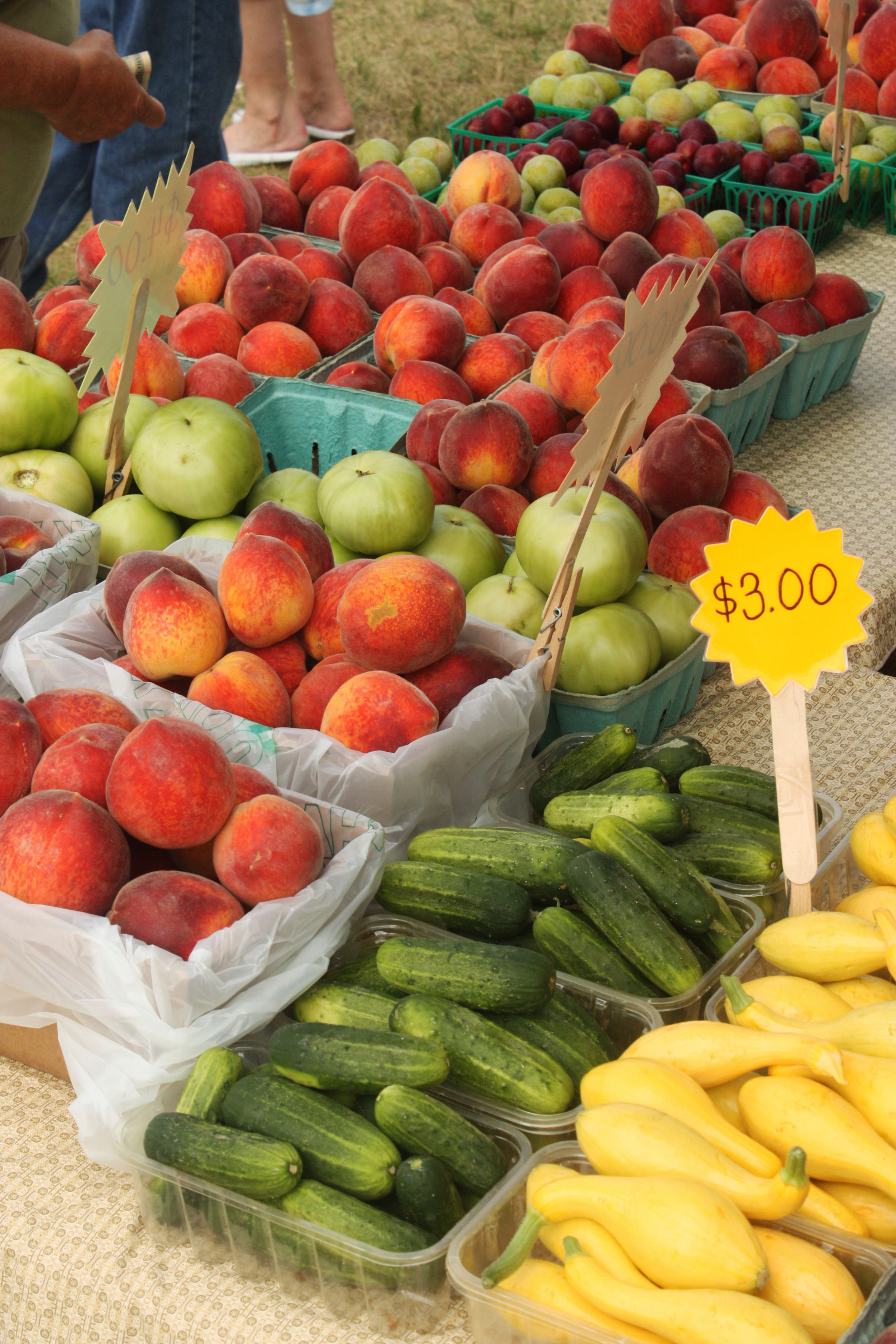
Sustainability is where things get especially interesting. Traditional food cultures often rely on local crops, preserved ingredients, nose-to-tail or root-to-stem use, and recipes shaped by seasonality. That can support a less wasteful kitchen, even if you only adopt a few habits at home.
How to explore a new cuisine at home without overcomplicating it
You do not need a passport, a specialty knife set, or a dramatic personality makeover to try food heritage cooking. Start small.
- Pick one dish, not a whole country. Learn a single soup, rice dish, stew, or snack.
- Read the recipe notes. Good recipes explain why an ingredient matters, not just where to buy it.
- Look for one reliable source. A cookbook, culinary museum, local food publication, or cultural institution is better than a copy-paste recipe swarm.
- Substitute respectfully. If you cannot find an ingredient, make the closest practical swap and note the difference.
- Cook with context. Ask who usually makes this dish, when it is served, and what it means to the people who eat it.
If you want a wider reading path, the Britannica overview of cuisine is a plain-language reference for the idea of cuisine as a cultural system, not just a menu.
How to choose authentic recipes and ingredients respectfully
“Authentic” can be a slippery word. Food traditions are not static, and different households do things differently. Still, there are a few useful questions to ask:
- Does the recipe explain its cultural context?
- Does it name ingredients honestly instead of pretending a shortcut is the original?
- Does it credit the people or region behind the dish?
- Does it avoid turning a living tradition into a costume?
That last one is worth remembering. Good food storytelling should invite curiosity, not act like it discovered a cuisine last Tuesday and now expects applause.
Cuisines and dishes worth trying next
If you want a short list to explore, look for dishes where technique and tradition matter as much as flavor:
- fermented vegetable dishes that teach patience and preservation,
- grain-based meals built around seasonal produce,
- shared soups or stews that reflect regional identity,
- festival breads or cakes that connect to celebration,
- street foods that show how everyday cooking evolves in public view.
From there, you can build your own food map through the site: check the latest roundups on Today’s Headlines, browse Recommended Articles, or jump into Latest Blog Posts for newer ideas.
Food heritage is trending in 2026 because it answers several modern worries at once: How do we eat well? How do we spend less wastefully? How do we keep culture alive in ordinary life? Traditional cuisines cannot solve everything, but they can give us a better starting point than another beige “what I ate in a day” thread.
If you want more context about the site and what we cover, visit the About page or return to the homepage.
In short: food heritage is not about freezing the past. It is about learning from it, cooking with it, and keeping it useful.