How to Meal Prep for the Week: A Beginner’s Guide
Meal prep is not a lifestyle competition or a fridge arranged by a tiny spreadsheet goblin. It is simply a way to make weekday meals less chaotic, less expensive, and much kinder to your future self.
By June Park | Updated June 22, 2026
Most beginners show up with the same fair questions: What exactly counts as meal prep? Do you have to cook every bite on Sunday like a heroic kitchen intern? How do you keep food from turning into a row of sad containers by Wednesday? And how much variety do you need before lunch starts to feel like a rerun? Julia Child once said, “You don’t have to cook fancy or complicated masterpieces,” and meal prep works best when it follows that rule. Simple beats dramatic. Useful beats perfect.
The appeal is bigger than convenience. The USDA MyPlate guidance encourages people to build balanced meals with vegetables, fruit, grains, protein, and dairy or fortified alternatives, while the Harvard Healthy Eating Plate offers a similarly practical framework for planning everyday meals. The problem is not usually knowing that home-prepared food can be useful. The problem is interface friction, except the interface is your own refrigerator. Ingredients disappear behind condiment bottles, motivation drops after work, and dinner becomes a dramatic reading of “What is still edible?”
This guide walks through the boring magic that makes meal prep work: choosing a realistic plan, shopping with purpose, cooking in a smart order, storing food safely, and building a week that has enough structure to help without becoming a second job. If you want more practical kitchen reading after this, you can also browse the latest posts on the blog, revisit the homepage for featured food topics, or learn more about the site’s editorial approach on the About page.
What meal prep actually means
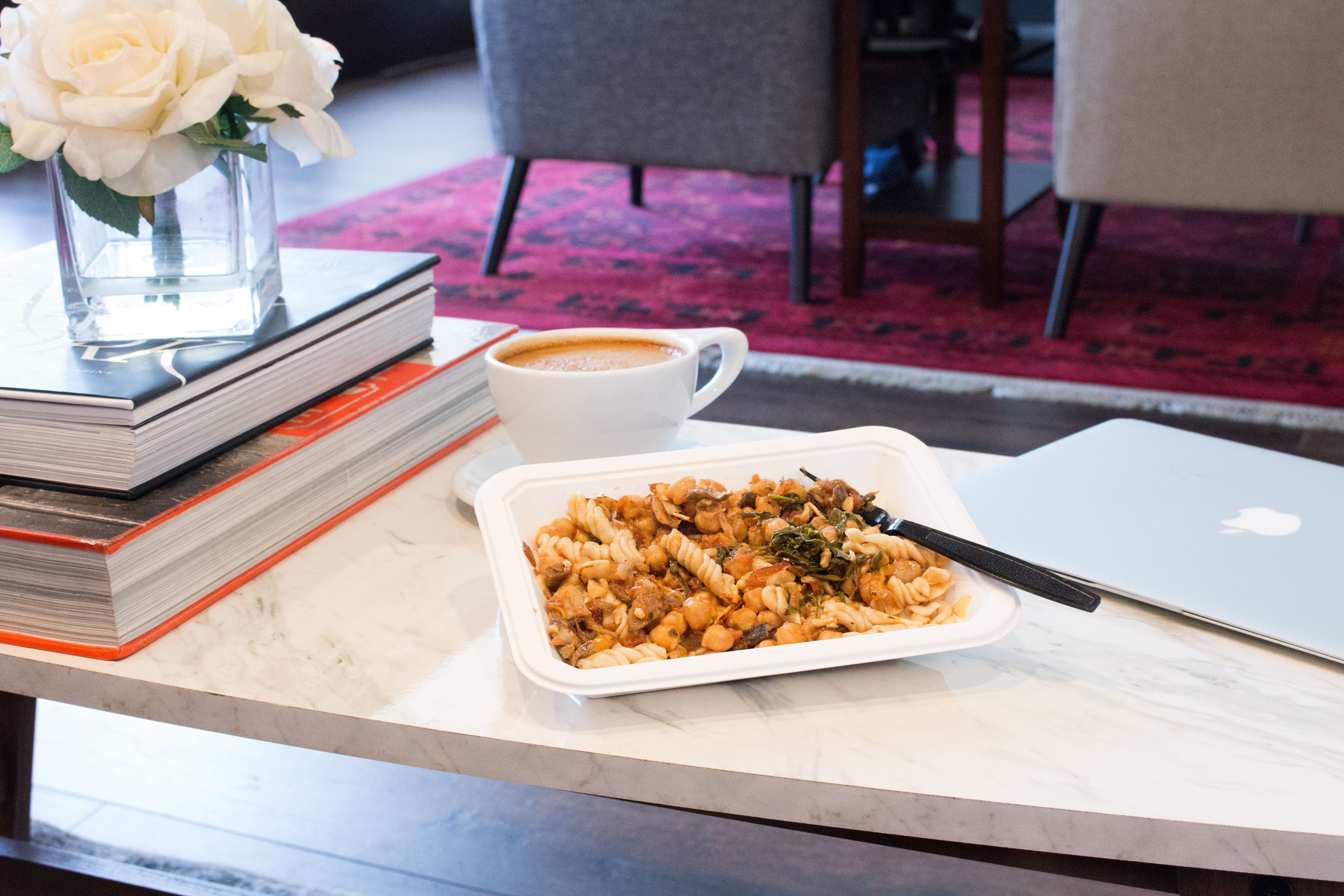
Meal prep means doing part of the week’s food work ahead of time so daily meals become easier to assemble, reheat, or finish. That definition matters because many beginners imagine a single rigid model: seven identical lunches, each sealed in a box like a very polite punishment. That is only one version, and honestly, it is not even the best version for everyone.
There are four common styles of meal prep:
- Full meal prep: complete meals are cooked, portioned, and ready to grab.
- Ingredient prep: vegetables are chopped, grains are cooked, proteins are seasoned, and sauces are mixed so meals come together faster later.
- Batch cooking: one or two large recipes, such as soup, chili, curry, or roasted vegetables, carry multiple meals.
- Hybrid prep: a mix of the first three methods, which is usually the sweet spot for busy beginners.
The hybrid model is often easiest because it preserves flexibility. Instead of eating the exact same lunch five times, you might prep cooked rice, roast a tray of vegetables, make a protein, and stir together one sauce. Suddenly the week has options: grain bowls, wraps, salads, quick stir-fries, or a lunch box assembled in three minutes rather than thirty.
Here is the mental shortcut that keeps meal prep from becoming fussy: prep components, not a performance. If future-you can open the fridge and see one grain, one protein, two vegetables, one sauce, and one snack that is ready to go, the system is working.
Why meal prep is worth the effort
Meal prep has a reputation for being disciplined in a slightly intimidating way, but the real benefits are wonderfully ordinary. It saves time, reduces waste, supports better food choices, and lowers the odds of a 7:15 p.m. emergency snack becoming dinner.
1. It reduces weekday decision fatigue
After a long day, the hardest part of dinner is often not the cooking itself. It is the sequence of tiny decisions: what to make, whether you have the ingredients, what to cook first, and whether you have the patience to wash a cutting board. Meal prep front-loads some of those decisions while your brain is still cooperative.
This is one of the quiet superpowers of a prep session: it trades five stressful weeknight decisions for one calmer planning block. Even a light prep session can create enough structure that you stop negotiating with the pantry at 9 p.m.
2. It makes balanced meals easier to repeat
When vegetables are washed, proteins are cooked, and grains are ready, balanced meals stop feeling theoretical. They become the easiest option. That matters because habits tend to follow convenience more than ambition. If sliced peppers, cooked chicken, rice, and yogurt are already prepared, lunch has a fighting chance of being an actual lunch rather than crackers and optimism.
The best meal prep systems quietly support the same logic found in MyPlate and other sensible eating frameworks: keep a source of produce, a source of protein, and an energy-giving base close at hand. Convenience is not a moral failure. It is often the thing that makes consistency possible.
3. It helps control spending and food waste
Random grocery shopping tends to create random leftovers. Meal prep gives ingredients a job before they enter the fridge. Broccoli is not “something green I should probably use.” It is Tuesday’s roasted vegetable, Wednesday’s grain bowl topping, and Friday’s fried rice add-in. That kind of clarity makes it easier to use what you buy.
It also helps with takeout drift. There is nothing wrong with ordering dinner, but it becomes a more intentional choice when you already know there is usable food at home. Prepared food at eye level is a powerful antidote to expensive panic-ordering.
4. It can make mornings and lunches much calmer
Many beginners start meal prepping because lunch is the weakest link. Mornings move fast, and the window for good choices is often about three minutes wide. A ready container, overnight oats, chopped fruit, or a jar of soup can save both time and mental energy.
This is especially true if you work irregular hours, commute, or juggle family schedules. The point is not aesthetic perfection. The point is having something ready before the day starts making demands.
Step 1: Choose a realistic meal prep plan
The first rookie mistake is building an imaginary week for your ideal self instead of your actual self. Your ideal self may wake early, sauté greens while listening to public radio, and naturally remember to soak lentils. Your actual self may be perfectly lovely and also very busy. Plan for that person.
Start by asking three questions:
- Which meal causes the most chaos? Breakfast, lunch, dinner, or snacks?
- How many days do you truly need help with? Two, three, or five?
- How much variety do you need to avoid boredom? Some people are happy with repeated lunches. Others need two versions.
From there, pick one of these beginner-friendly formats:
| Prep Style | Best For | What You Make | How Hard It Feels |
|---|---|---|---|
| Lunch-box prep | Busy work or school days | 3 to 4 ready lunches plus snacks | Low to medium |
| Dinner component prep | People who still want variety at night | Cooked grain, protein, vegetables, sauce | Medium |
| Batch recipe prep | Anyone who likes soups, stews, or casseroles | 1 or 2 large dishes with leftovers | Low |
| Breakfast-and-snack prep | People whose evenings are unpredictable | Overnight oats, boiled eggs, fruit, yogurt cups | Very low |
If you are brand new, do not prep every meal. Pick the one that creates the most friction and solve that first. A system that handles three lunches successfully is much better than a grand seven-day plan that collapses by Tuesday night.
Step 2: Build a simple weekly menu
Once you know what kind of prep you need, sketch the menu. This does not require gourmet imagination. In fact, too much imagination is where the wheels often come off.
Use this formula for each prepped meal:
- Protein: chicken, tofu, eggs, beans, tuna, Greek yogurt, lentils, turkey, or another option you actually like.
- Base: rice, quinoa, pasta, potatoes, wraps, bread, greens, or noodles.
- Vegetable or fruit: one or two produce items you can use across several meals.
- Flavor helper: dressing, salsa, pesto, hummus, vinaigrette, soy-based sauce, herbs, or spice mix.
That structure keeps the week from feeling vague. Here is a beginner sample:
- Lunch 1 and 2: brown rice, roasted chicken, cucumbers, carrots, and sesame yogurt sauce.
- Lunch 3 and 4: quinoa, chickpeas, tomatoes, spinach, and lemon dressing.
- Fast dinner backup: cooked pasta, turkey meatballs, roasted broccoli, and jarred marinara.
- Snacks: boiled eggs, sliced fruit, and hummus with peppers.
The boring magic is overlap. If your cucumbers appear in lunch boxes, snacks, and a quick salad, they are far more likely to get used. If every meal requires its own ingredient universe, the fridge becomes an expensive museum of intentions.
Step 3: Shop with a list that matches the plan
Meal prep starts falling apart at the grocery store if the list is vague. “Healthy stuff” is not a plan. “Four chicken breasts, one bag of rice, two bell peppers, one cucumber, one tub of yogurt, one lemon, one can of chickpeas” is a plan.
Before shopping, write the list in sections:
- Protein
- Produce
- Grains and starches
- Sauces and extras
- Containers or wraps if needed
If you want a balanced visual framework while you plan, the MyPlate Plan can help you think through portions and food groups without turning the process into a math exam. The point is not to hit a flawless target. The point is to avoid building a week made entirely of beige carbs and emotional support cheese.
While shopping, keep one eye on shelf life. Spinach, berries, and ripe avocado are excellent, but they need a plan for the first half of the week. Carrots, cabbage, apples, cooked grains, and firmer vegetables are often better for the second half. Pair delicate foods with early-week meals and sturdier foods with later meals. That small adjustment prevents a lot of waste.
Step 4: Prep in the right order
A good prep session is not about speed alone. It is about sequencing. If you bounce around randomly, the kitchen feels crowded and the sink develops opinions. If you work in a sensible order, the whole process becomes much calmer.
Try this beginner flow:
- Start the longest-cooking item first. Put rice, quinoa, potatoes, or a soup on the stove.
- Heat the oven. Roast vegetables or proteins while other tasks happen.
- Wash and prep raw produce. Chop salad vegetables, fruit, or snack items while the hot food cooks.
- Mix sauces and dressings. These take very little time and make simple meals feel finished.
- Cool cooked food before sealing containers. This helps texture and food safety.
- Assemble or portion only what makes sense. Some meals can be fully packed now; others are better stored as components.
Here is a sample two-hour Sunday prep that serves one person for four workdays:
| Time Block | Task | Output |
|---|---|---|
| 0:00 to 0:15 | Start rice, season chicken, heat oven | Base cooking, protein ready |
| 0:15 to 0:35 | Roast chicken and vegetables | Cooked protein and vegetables |
| 0:35 to 0:50 | Chop cucumber, carrots, herbs, fruit | Fresh add-ins and snacks |
| 0:50 to 1:00 | Mix yogurt sauce and lemon dressing | Flavor components |
| 1:00 to 1:20 | Cool food and portion containers | Lunches assembled |
| 1:20 to 1:35 | Boil eggs or prep overnight oats | Breakfast or snack backup |
This is the part many beginners miss: you do not need to cook constantly during the session. You need food cooking in the background while you do easier prep in the foreground. That is the difference between organized meal prep and kitchen pinball.
Step 5: Store food safely so it still tastes good later
Meal prep only counts as helpful if the food is still pleasant and safe to eat. Storage is where good intentions either become lunches or become compost.
The FoodSafety.gov cold storage charts are useful for checking how long common foods last in the refrigerator and freezer, and the FDA’s safe food handling guidance is a strong reference for preventing temperature-related mistakes. You do not need to become a lab technician, but a few rules matter.
Storage tips that make a real difference
- Cool hot food before sealing tightly. Warm food trapped in a container can create condensation, which hurts texture and can keep food warmer longer than ideal.
- Use shallow containers when possible. They cool faster and stack better.
- Keep wet and crisp components separate. Dressings, crunchy toppings, and watery vegetables are happier apart until serving time.
- Label containers if your memory likes drama. A piece of tape with the date solves more mysteries than confidence ever will.
- Freeze extras early. If you know you will not eat something within a few days, freeze it before it becomes a questionable obligation.
Texture matters too. Rice, roasted vegetables, grilled chicken, soups, stews, curries, and hearty grain salads usually reheat well. Delicate greens, sliced avocado, crispy breaded foods, and very soft herbs often need separate handling or same-day use. Prep for how food behaves, not just how food photographs.
Common meal prep mistakes beginners make
Making too much food in week one
Ambition is charming, but a fridge full of seven identical lunches can feel punishing if you are still testing what you enjoy. Start with three or four servings. Scale after success, not before.
Choosing recipes with too many moving parts
If each lunch needs six garnishes, two cooked elements, and a last-minute sauté, that is not beginner meal prep. That is event catering for one. Simpler structures win.
Ignoring flavor variety
The ingredients can stay similar while the flavor changes. One batch of chicken can become lemon-herb bowls, a wrap with hummus, and a quick fried rice. Sauces, herbs, pickles, citrus, and spice mixes are the easiest way to keep repetition from feeling dull.
Forgetting snack strategy
Many people prep lunches and dinners, then get derailed by the 4 p.m. snack void. Washing grapes, portioning nuts, slicing peppers, or setting up yogurt cups is not glamorous, but it prevents the office vending machine from becoming your emergency life coach.
Three beginner-friendly weekly meal prep plans
If you want a concrete starting point, use one of these low-drama templates.
Plan A: Office lunch rescue
- Prep: 4 grain bowls with rice, chicken or tofu, roasted broccoli, carrots, and a simple sauce.
- Add: fruit, yogurt, and nuts for snacks.
- Best for: anyone who regularly buys lunch because the morning gets away from them.
Plan B: Dinner component system
- Prep: cooked quinoa, taco-seasoned turkey or black beans, sautéed peppers, chopped lettuce, salsa, and shredded cheese.
- Use it for: bowls, wraps, salads, quesadillas, or stuffed baked potatoes.
- Best for: households that want flexibility at dinner.
Plan C: Breakfast and snack calm-down kit
- Prep: overnight oats, boiled eggs, washed berries, cut melon, hummus cups, and whole-grain toast supplies.
- Use it for: quick mornings, post-school snacks, or late-night “I should probably eat something real” moments.
- Best for: people who do fine at dinner but unravel before noon.
Conclusion: start small and make the week easier
Meal prep works best when it is realistic, not theatrical. You do not need a freezer full of identical containers or a six-page menu plan. You need one useful system that reduces chaos, protects your time, and makes the next meal easier to handle.
If you try one experiment this week, let it be this: choose one meal that regularly falls apart, prep just enough food to support that meal for three days, and notice how much mental space it gives back. That is the real win. Less chaos. Better defaults. A refrigerator that finally looks like it is on your side.
Quick recap:
- Pick one problem meal first instead of rebuilding your whole week at once.
- Use a simple structure with protein, a base, produce, and one flavor helper.
- Prep in a smart order so cooking, chopping, and portioning overlap efficiently.
- Store food with texture and safety in mind because the best meal prep is still good on day three.
- Keep the system flexible so repeated ingredients can become different meals.
If you want more practical kitchen ideas after this, keep exploring the blog archive, visit the homepage for more everyday food guides, or stop by the About page to see the editorial style behind the site.